
Buyer's Guide · August 2026 · 10 min read
Portable Gaming Station Warranty: What's Actually Covered?
Before buying a portable gaming station, know what its warranty actually covers. Here's how to read the fine print and what questions to ask.
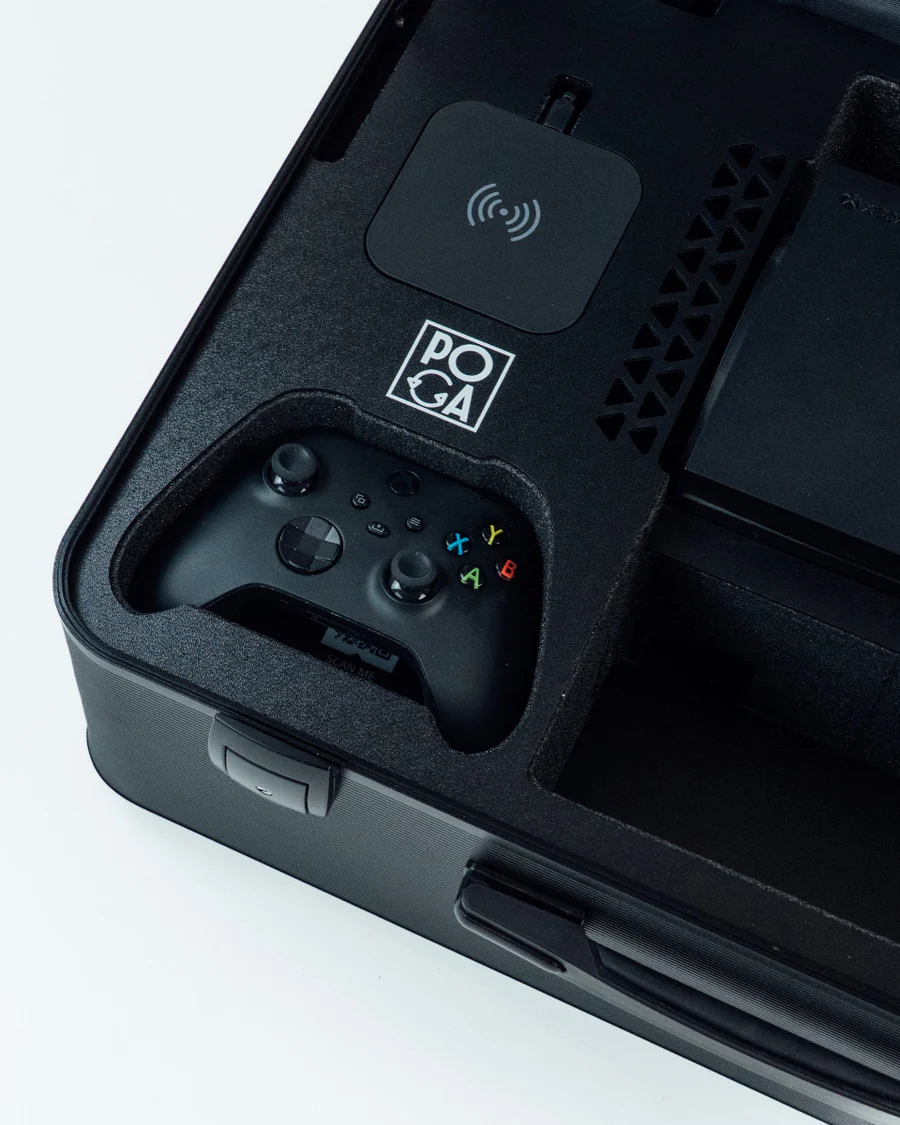
A warranty is one of those details that gets a single line in most product listings, “2 year warranty” or similar, without much explanation of what that means in practice. For a purchase in the several hundred to several thousand euro range, understanding what a portable gaming station warranty genuinely covers, what it typically excludes, and how to use it if something goes wrong is worth more attention than marketing copy usually gives it.
What a Warranty Actually Promises
At its core, a manufacturer warranty promises to repair or replace a product if it fails because of a manufacturing defect within a specified period. That is narrower than many buyers assume. It generally covers failures caused by how the product was built, not damage caused by how it was used or handled after purchase.
What Is Typically Covered
Coverage commonly includes a display that fails without an external cause, internal wiring or connector failures not caused by modification or damage, structural defects present from manufacturing, and built in components that fail during normal intended use. Always read the terms for the exact product because definitions vary.
What Is Typically Not Covered
Physical damage from drops, impacts, or accidents is a common exclusion. Water damage beyond the stated resistance rating, cosmetic wear, unauthorized repairs, and modifications are also typically excluded. A standard warranty is not the same thing as accidental damage insurance.
Reading the Actual Terms Before You Buy
Look for what counts as a covered defect, whether coverage transfers to a new owner, what proof of purchase is required, who pays shipping, and what the claims process involves. These details matter considerably if you ever need to use the warranty.
Registering Your Product
If registration is offered or required, complete it promptly. Keep proof of purchase, registration confirmation, and support correspondence in one accessible folder so a future claim does not depend on finding an old receipt.
What to Do If Something Goes Wrong
Document the issue with clear photos or video, describe the circumstances accurately, and contact the manufacturer through its official support channel. Direct support is usually more reliable than routing a warranty claim through a third party retailer.
Warranty Versus Extended Protection Plans
Extended protection plans may cover accidental damage that a manufacturer warranty excludes. For a travel focused product, compare the added cost with your travel frequency and risk tolerance instead of assuming the standard warranty covers drops or impacts.
POGA's Warranty Coverage
POGA products carry a 2 year warranty covering manufacturing defects, based on the current warranty information available for the range. It covers genuine defects in materials or workmanship under normal use, rather than drops, impacts, or use beyond stated protection ratings. For exact current terms or a claim question, contact POGA directly.
Warranty questions?
Contact POGA directly for current coverage and claim guidance.
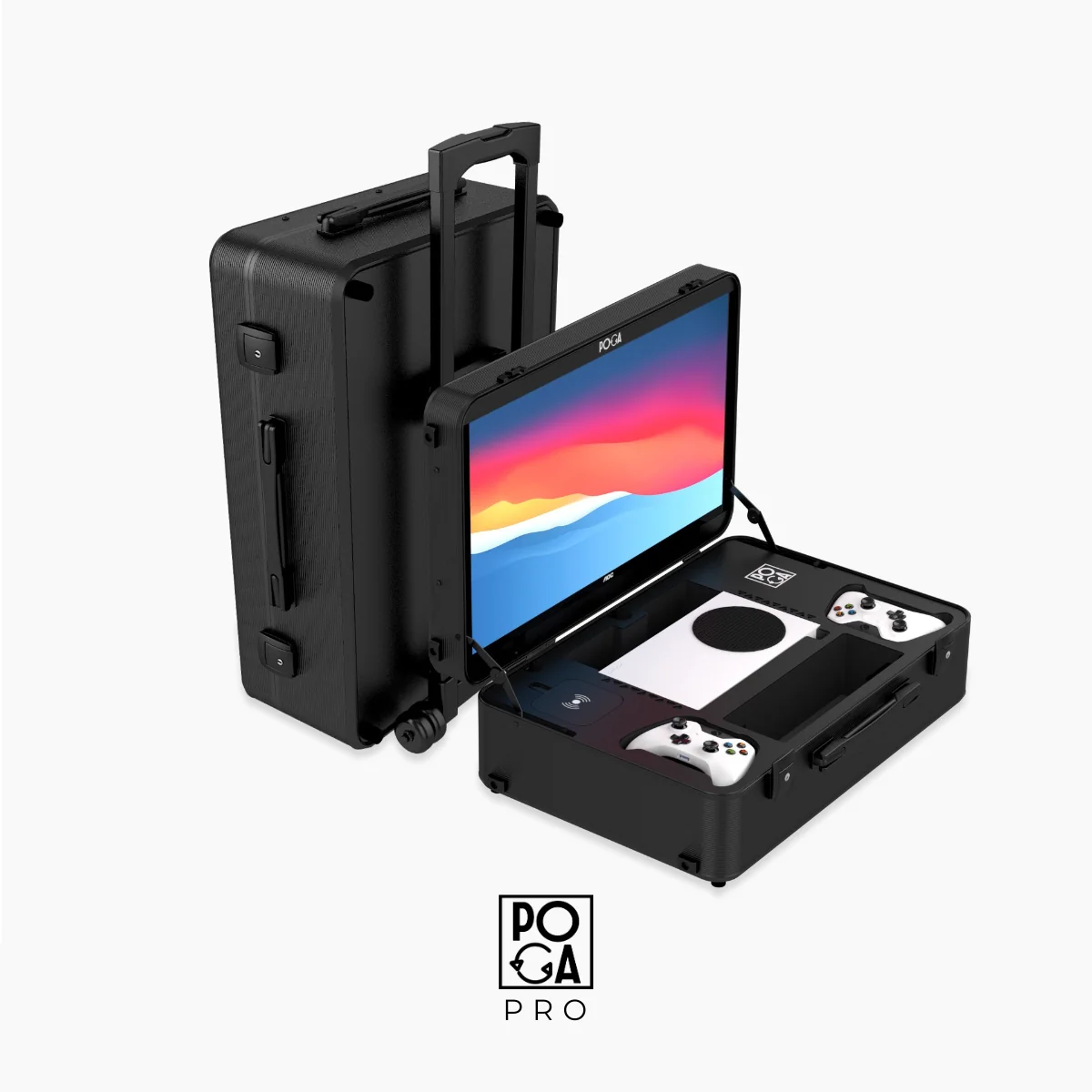
How Durable Is a Portable Gaming Station, Really?
Understand the protection and durability claims that matter on the road.
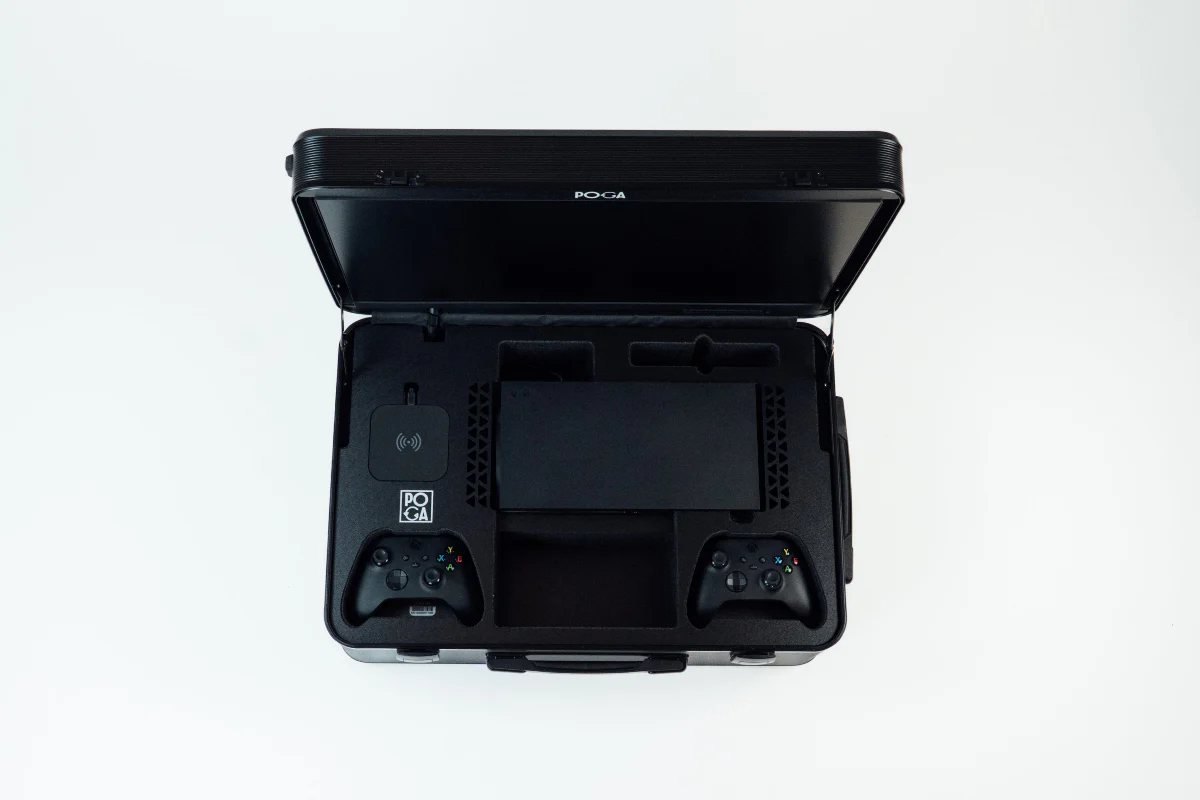
What's a Reasonable Price?
See what different price tiers actually include.
International Warranty Considerations
If you buy in one country and travel to another, check whether warranty service is global or limited to the country of purchase. Confirm the process before an international trip rather than discovering a regional limitation during a claim.
How Warranty Length Compares
A longer stated warranty is useful data, but it is not automatically proof of better build quality. A shorter warranty with clear coverage can be more useful than a longer policy filled with exclusions and vague language.
Frequently Asked Questions
Does a portable gaming station's warranty cover damage from a drop during travel?
Generally no. Standard manufacturer warranties typically cover manufacturing defects rather than damage from external impacts, drops, or accidents, regardless of whether that damage occurs during travel or stationary use. This is a common exclusion across nearly all electronics categories.
What's the difference between a warranty and a return policy?
A return policy typically covers a shorter initial window after purchase, allowing you to return a product for a refund or exchange for reasons including simply changing your mind, depending on the specific policy. A warranty covers a longer period specifically for manufacturing defects that appear during normal use, and generally does not allow a no reason return once that policy’s specific window has passed.
Should I register my portable gaming station after purchase?
Yes, if the manufacturer offers registration. This can simplify a future warranty claim and, in some cases, is required to activate full coverage. Keeping your proof of purchase accessible alongside registration is a reasonable, low effort precaution.
Is an extended warranty or protection plan worth it for a travel focused product like this?
It is worth genuinely considering, more so than for a stationary electronics purchase, given that standard warranties typically exclude the accidental damage that travel specifically increases risk of. Whether it makes sense for you depends on your specific travel frequency and risk tolerance.
What should I do first if my gaming station stops working properly?
Document the issue clearly with photos or video, then contact the manufacturer's official support channel directly rather than a third party retailer, particularly for anything beyond a simple, early return window claim.
The Bottom Line
A portable gaming station warranty is valuable protection against manufacturing defects, but it is not usually accidental damage coverage. Read the terms, register your product, keep documentation accessible, and consider protection for travel risks. Explore the full POGA guide for the complete lineup, or contact POGA with coverage questions.