
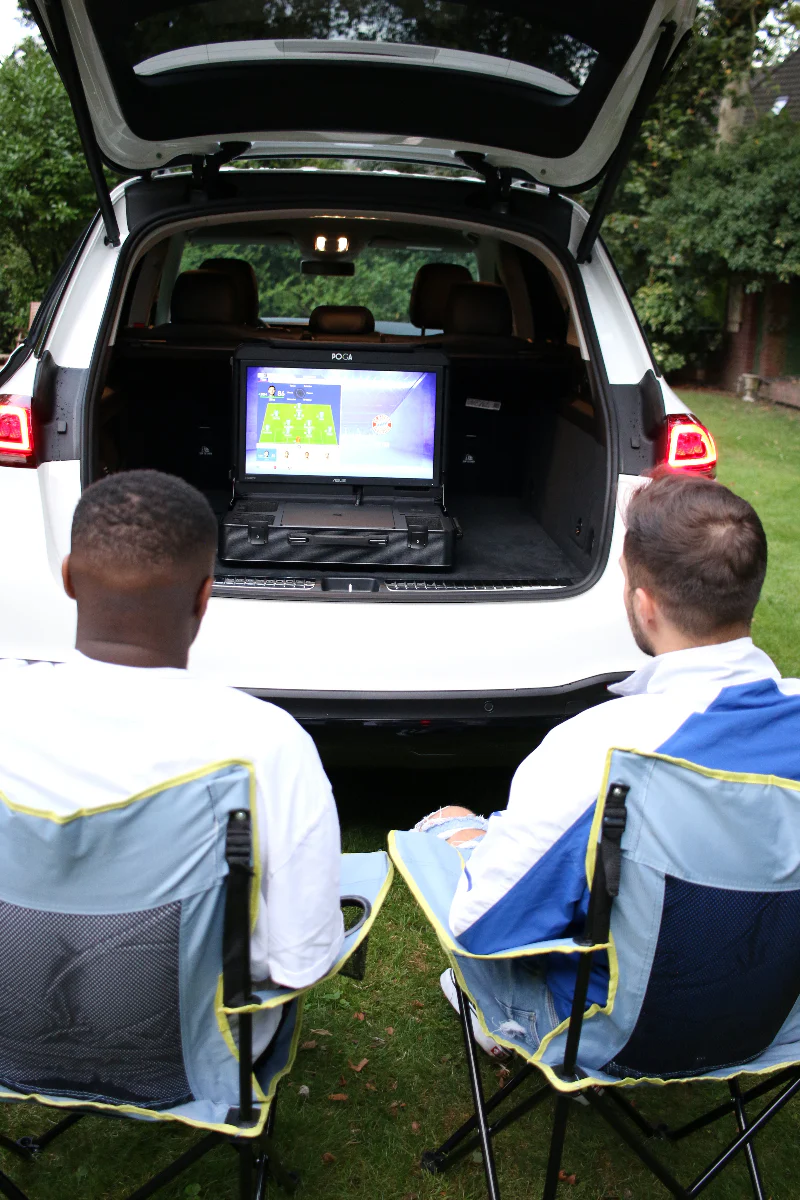
POGA Pro - Built for Real Travel
POGA Pro is engineered with aluminum-composite construction and reinforced corners to handle real-world transport stress — car trunks, airport checks, outdoor venues.
- ✓ Aluminum and composite shell construction
- ✓ Reinforced corners and locking mechanisms
- ✓ IP52 rated for splash and dust protection
- ✓ Custom high-density foam interior
Scroll through portable gaming case listings and you'll see the same words over and over: shockproof, waterproof, military-grade, crushproof. These words are doing a lot of marketing work, and most buyers have no real way to evaluate whether they're true. So here's an honest decoding of what these claims actually mean, what they don't, and how to read a durability spec sheet like someone who actually understands it — using POGA's stated specs as the concrete example.
Start With the IP Rating — It's More Precise Than It Sounds
"Waterproof" and "dustproof" aren't standardized words, but the IP rating that often sits next to them is. IP stands for Ingress Protection, and it's written as two digits: the first for solid particles (dust, debris), the second for water. Higher numbers mean more protection, and the difference between ratings that sound similar is actually significant.
An IP52 rating — the certification POGA states for the LUX — means the case is protected against solid objects larger than about 12.5mm (so, fingers and larger debris, not fine dust) and protected against water dripping vertically when the case is tilted up to 15 degrees from its normal position. In plain terms: it'll handle light splashes, spills, and dust exposure during transport, but it is not fully dust-tight and it is not designed to withstand rain, water jets, or submersion. That's meaningfully different from an IP65 rating (fully dust-tight, resistant to actual water jets from a hose) or IP67 (can handle brief submersion).
This isn't a criticism of the rating — IP52 is a completely reasonable, honestly-stated level of protection for a case that's meant to travel in normal conditions, not survive a rainstorm or a dunk in a pool. The important thing is knowing what the number actually promises, rather than reading "water resistant" in marketing copy and assuming it means "waterproof."
Decoding "Military-Grade" and "Shockproof" Claims
This is where buyers get misled most often, and it's worth understanding why. Terms like "military-grade" typically reference MIL-STD-810G, a U.S. Department of Defense testing methodology that simulates drops, shocks, vibration, and other environmental stress. Here's the part that surprises most people: there is no official certifying body for MIL-STD-810G. It's a testing method, not a badge awarded by an inspector. Any manufacturer can say a product is "designed to" or "tested to" this standard, and unless they publish actual third-party test data, there's no way to verify the claim independently.
That doesn't mean the term is meaningless — a company that genuinely engineers around drop-test methodology (repeated drops from a set height, onto multiple faces and corners) is doing real engineering work. It just means the phrase "military-grade" on its own, without supporting specifics, tells you less than it sounds like it does. The more useful question is: does the listing describe actual materials and construction, or just borrow the phrase?
What Actually Makes a Case Durable
Materials That Matter
- • Aluminum and composite shell construction
- • Reinforced corners with stress distribution
- • Secure mechanical locking mechanisms
- • Custom-fit, high-density foam interior
- • Protective rubber bumpers on edges
- • Quality YKK zippers and hardware
Red Flags to Avoid
- • Cheap plastic construction without reinforcement
- • Generic foam that doesn't fit the exact model
- • Vague durability claims with no specifics
- • No stated IP rating or testing methodology
- • Loose internal compartments allowing shifting
- • Easily breakable handles or latching systems
What POGA Actually States, and What It Means
Applying this same honest lens to POGA's own specs: the POGA LUX uses an aluminum and composite shell construction with reinforced corners and secure locking mechanisms, alongside a custom high-density foam interior cut to the exact PS5 model. This is a materials-and-construction claim, not just an adjective — aluminum and composite construction is a genuinely more rigid, impact-resistant build than the nylon or basic plastic used in budget travel bags, and high-density foam (versus generic packing foam) does meaningfully more to absorb shock and prevent the console from shifting during transit.
Read plainly, that's a case built to handle real-world travel stress — being set in a car trunk, checked at an airport, carried through a crowded venue — better than soft-sided alternatives. It's not the same claim as "will survive being dropped from a height onto concrete" or "can be submerged," and to POGA's credit, the IP52 rating is stated honestly rather than inflated to something like IP65 that the product doesn't actually meet.
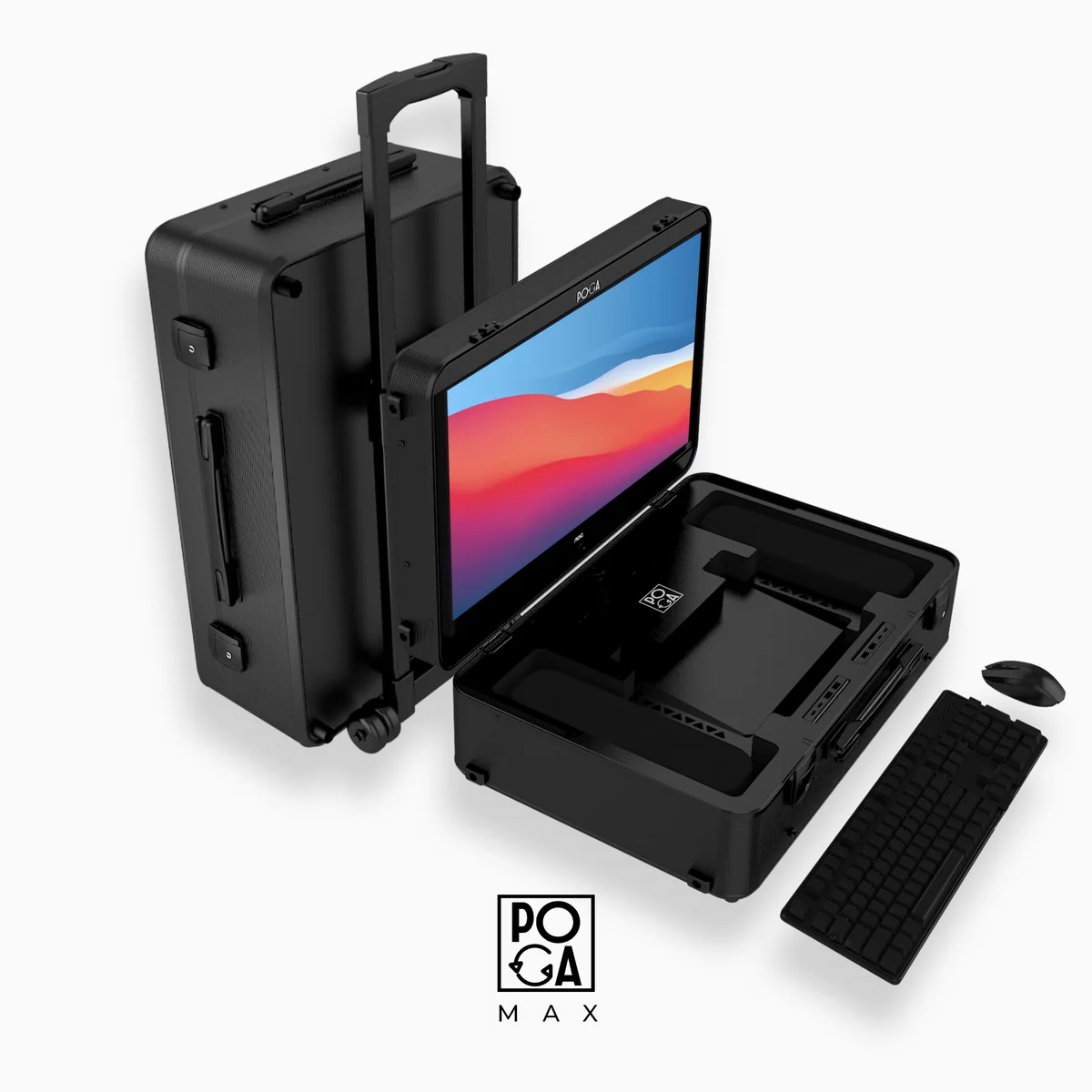
POGA Max - Premium Durability Engineering
POGA Max combines premium durability with PC gaming needs. Built with reinforced construction, active cooling ventilation, and materials engineered for long-term transport abuse.
- ✓ Premium aluminum-composite build quality
- ✓ Reinforced frame for PC components
- ✓ Advanced cooling and ventilation systems
- ✓ Durable carry handle and wheels
How to Read Any Durability Claim Like a Pro
Look for the actual IP rating, not just adjectives
If a listing uses "waterproof" or "dustproof" without a number, ask what they're actually claiming — or assume it means "water-resistant to light splashes" until proven otherwise. An IP52 rating tells you exactly what protection level to expect.
Treat "military-grade" as a starting point for questions
Since there's no certifying body, the claim is only as good as the specifics behind it. Does the listing name actual materials? Does it describe the construction (reinforced corners, shell material, foam density)? Specifics are a good sign; the phrase alone is not.
Foam density and fit matter as much as the shell
A hard shell with loose, generic foam inside still lets a console shift and take impact during a drop. Custom-cut, high-density foam that holds the exact model snugly is doing real protective work, independent of what the outer shell claims.
Match the rating to your actual use case
If you're checking a case at an airport or setting it down at a LAN party, IP52-level splash and dust protection paired with a rigid shell is a reasonable, honest fit. If you genuinely need something rated for rain exposure or accidental submersion, look for a higher IP rating specifically.
IP Rating Breakdown: What Each Level Means
| IP Rating | Dust Protection | Water Protection | Real-World Use Case |
|---|---|---|---|
| IP42 | Protected from wires/tools | Splashing from any direction | Indoor, light travel |
| IP52 (POGA) | Protected from dust exposure | Dripping water when tilted | Airport travel, car transport, venues |
| IP65 | Fully dust-tight | Water jets from any angle | Outdoor use, construction sites |
| IP67 | Fully dust-tight | Brief submersion (1m, 30 min) | Water sports, extreme environments |
Frequently Asked Questions
What does IP52 actually mean for my gaming case?▼
IP52 means the case is protected against solid objects larger than 12.5mm (dust and debris from typical travel) and against water dripping vertically when the case is tilted up to 15 degrees. It handles light splashes and spills, but is not fully waterproof or designed to survive rain or submersion.
Is "military-grade" certification actually a real thing?▼
MIL-STD-810G is a real U.S. Department of Defense testing methodology, but there is no official certifying body. Any manufacturer can claim their product is "designed to" or "tested to" this standard without third-party verification. Look for specific material names and construction details rather than just the phrase alone.
Should I buy a case with a higher IP rating if I travel frequently?▼
It depends on your environment. For typical airport travel, car transport, and covered venues, an IP52 rating with reinforced aluminum-composite construction is sufficient. If you frequently expose your case to rain, use it on boats, or work in harsh outdoor conditions, look for IP65 or higher ratings.
Does a hard shell always protect better than a soft-sided case?▼
Not always — what matters most is the combination of shell rigidity and interior protection. A hard shell with loose, generic foam can still allow your console to shift and take impact. Custom-cut, high-density foam that holds your exact model snugly is equally important to shell protection.
What does "military-grade" really mean in plain language?▼
It typically refers to MIL-STD-810G testing methodology, which simulates drops, shocks, and vibration stress. But without published third-party test data, the phrase alone is just marketing. The real question is whether the case describes actual materials (aluminum, reinforced corners, foam density) or just borrows impressive terminology.
Can a case be "waterproof" without being dustproof?▼
The IP rating system rates dust and water protection separately. A case can theoretically have high water protection but lower dust protection, though in practice they usually correspond. Always check both digits of the IP rating — the first digit is for solids, the second for liquids.
How do I know if foam padding is actually high-density?▼
High-density foam is typically specified by weight (often 1.5+ pounds per cubic foot) or by thickness and material type. Custom-cut foam that fits your exact console model snugly is a good sign. Generic, loose-fitting foam or foam that compresses too easily under light pressure indicates lower density and less protection.
The Bottom Line
Durability marketing in this category ranges from honestly stated to significantly oversold, and you can compare every model in the full POGA guidebefore you choose. The difference is usually visible if you know what to look for, and the difference is usually visible if you know what to look for: real IP ratings with actual numbers, named materials and construction details, and foam described with some specificity rather than just called "premium." A case with an aluminum-composite shell, reinforced corners, and a properly rated IP52 dust/splash resistance — like POGA states for the LUX — is durable in the way that matters for actual travel and transport, without being oversold as something it isn't. That's a more useful, and more honest, standard to judge any case against than the adjectives on the box.