
Buyer's Guide · August 2026 · 9 min read
Third-Party Controllers: Do They Actually Work With Portable Gaming Stations?
Thinking about using a third-party controller with your portable gaming station? Here's what actually matters for fit, connectivity, and storage.
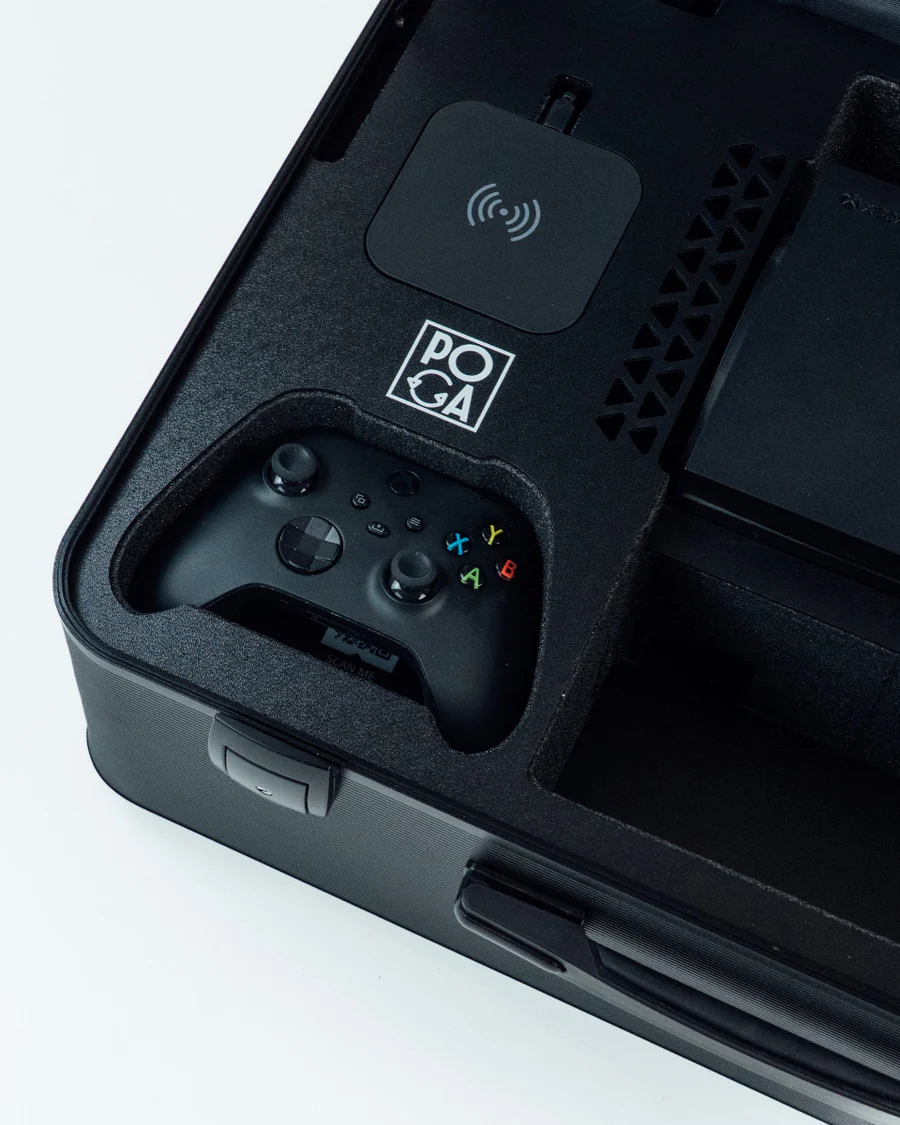
Not everyone games exclusively with the official controller that shipped in the box. Third-party controllers, ranging from budget alternatives to premium aftermarket pads with extra buttons and customization, are common enough that it is reasonable to ask whether they work with a portable gaming station built around dedicated controller storage. The honest answer involves two separate questions: whether the controller connects and functions properly with your console at all, and whether it physically fits in a case designed with specific dimensions in mind.
Functional Compatibility Is Usually Not the Issue
For most third-party controllers from established manufacturers, actual functional compatibility with PS5 or Xbox consoles is generally solid. Licensed third-party controllers go through a certification process with console manufacturers, meaning a controller carrying official licensing typically works reliably across standard functions, buttons, triggers, and basic haptic feedback where supported.
Connectivity method matters too. Wired third-party controllers generally have the most straightforward compatibility because they rely on a direct connection. Wireless options can vary more in reliability and latency, so check reviews for your exact console generation before relying on one for competitive play.
Physical Fit Is the Real Portable Gaming Question
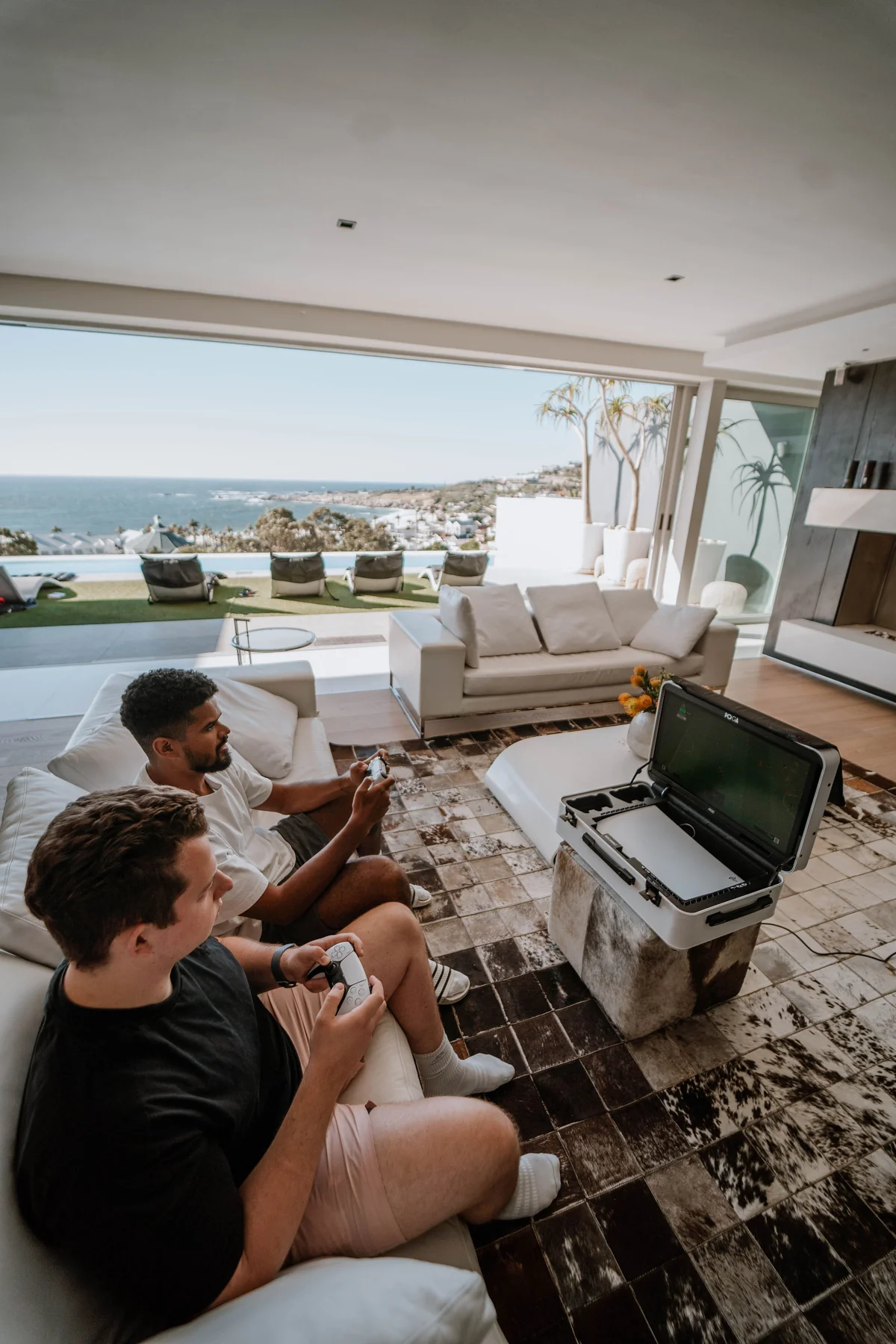
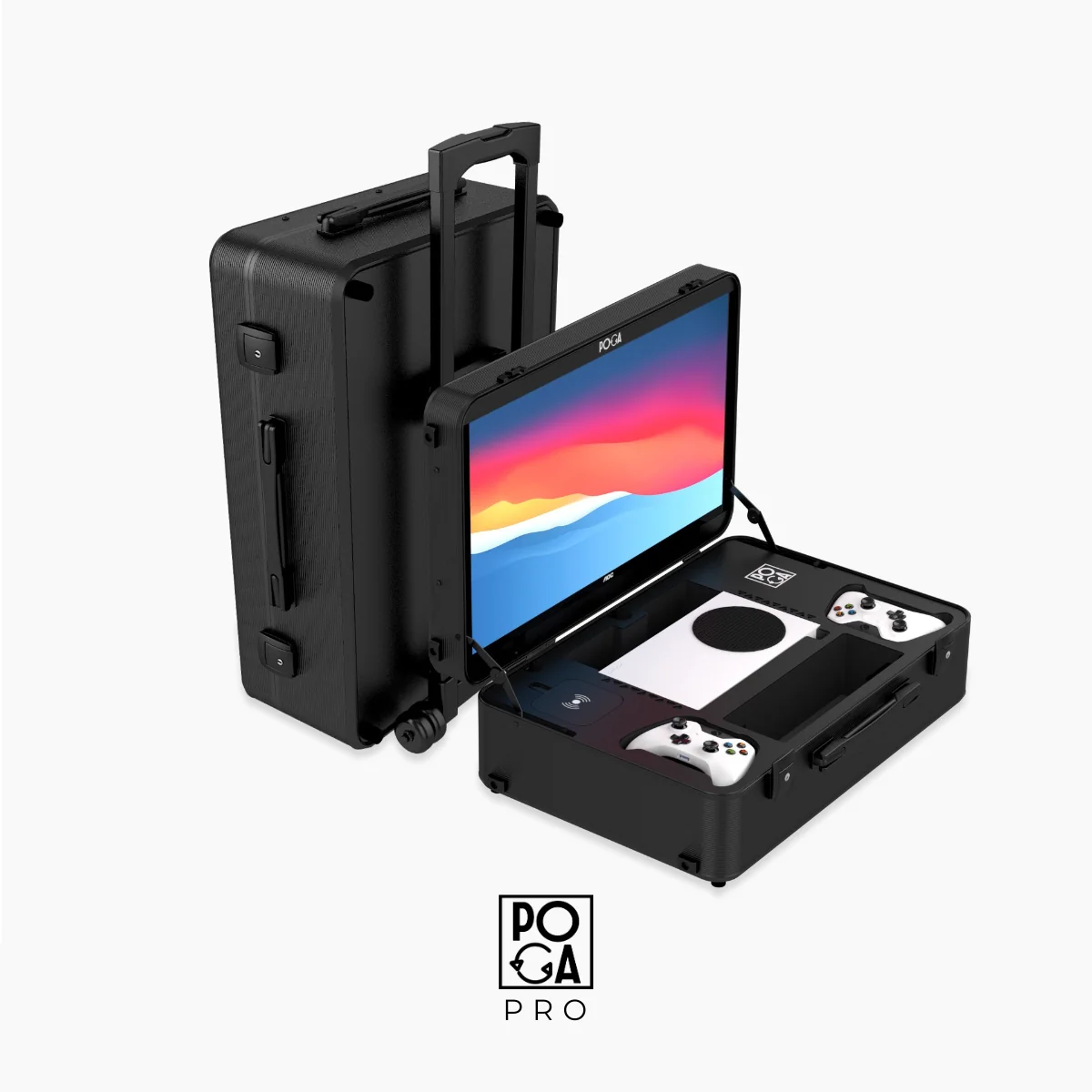
This is where a portable gaming station's dedicated storage compartments become relevant. Controller storage is typically molded or cut specifically around the dimensions of the official controller it was designed for, such as a DualSense for PS5 focused stations or an Xbox Wireless Controller for Xbox focused ones.
Third-party controllers with different grip shapes, added back buttons, or a notably different overall size may not fit this dedicated storage as cleanly, even if they work perfectly with your console. A controller that does not fit its dedicated slot is not useless, but it may give up some of the organized convenience that the storage compartments provide.
Checking Fit Before You Buy
If you already own a specific third-party controller, compare the station's stated controller compartment dimensions against the controller's actual measurements. Manufacturer specifications are more reliable than assuming general similarity in size means a proper fit.
If you are choosing a controller and station together, check whether the specific station has been reviewed or tested with common third-party controller models. That can prevent a mismatch discovered only after both purchases arrive.
Loose Storage as a Practical Alternative
If a controller does not fit the dedicated compartment, it may still travel securely in general storage space intended for cables, small accessories, or a second controller. This is a reasonable compromise if protecting the console and display is the core reason for the purchase.
Battery and Charging Considerations
Some gaming stations include built in charging designed around the official controller's charging port location and orientation. A third-party controller with a differently positioned port, or one using disposable batteries, may not benefit from built in charging even if it fits the physical storage space.
When a Third-Party Controller Makes the Most Sense Anyway
Extra programmable buttons, a grip shape that better suits your hand, or a lower price point for casual or backup use are all legitimate reasons to prefer a third-party controller. These tradeoffs are worth knowing about, not necessarily reasons to avoid one altogether.
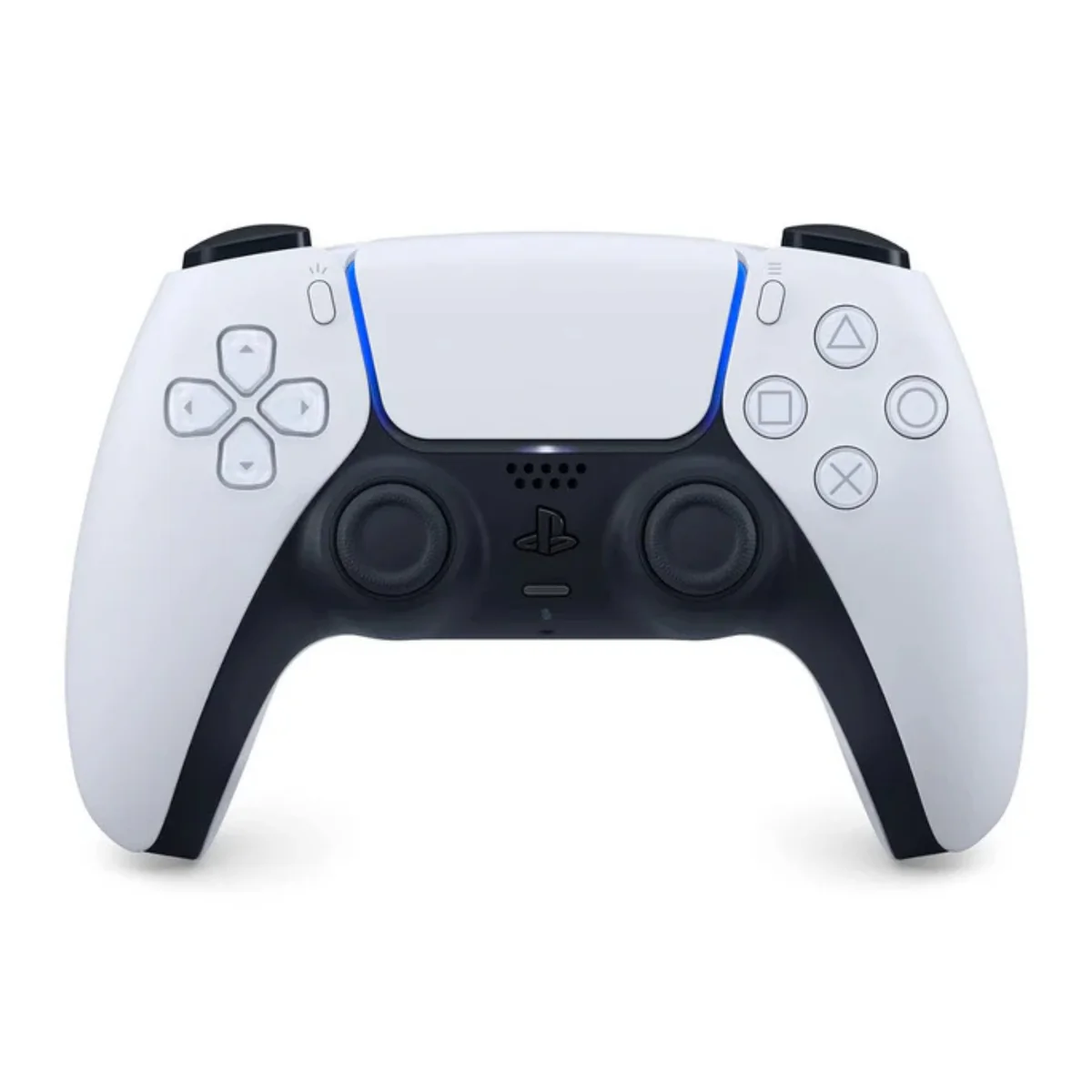
DualSense Controller
The official PS5 controller format most dedicated PS5 storage is designed around.
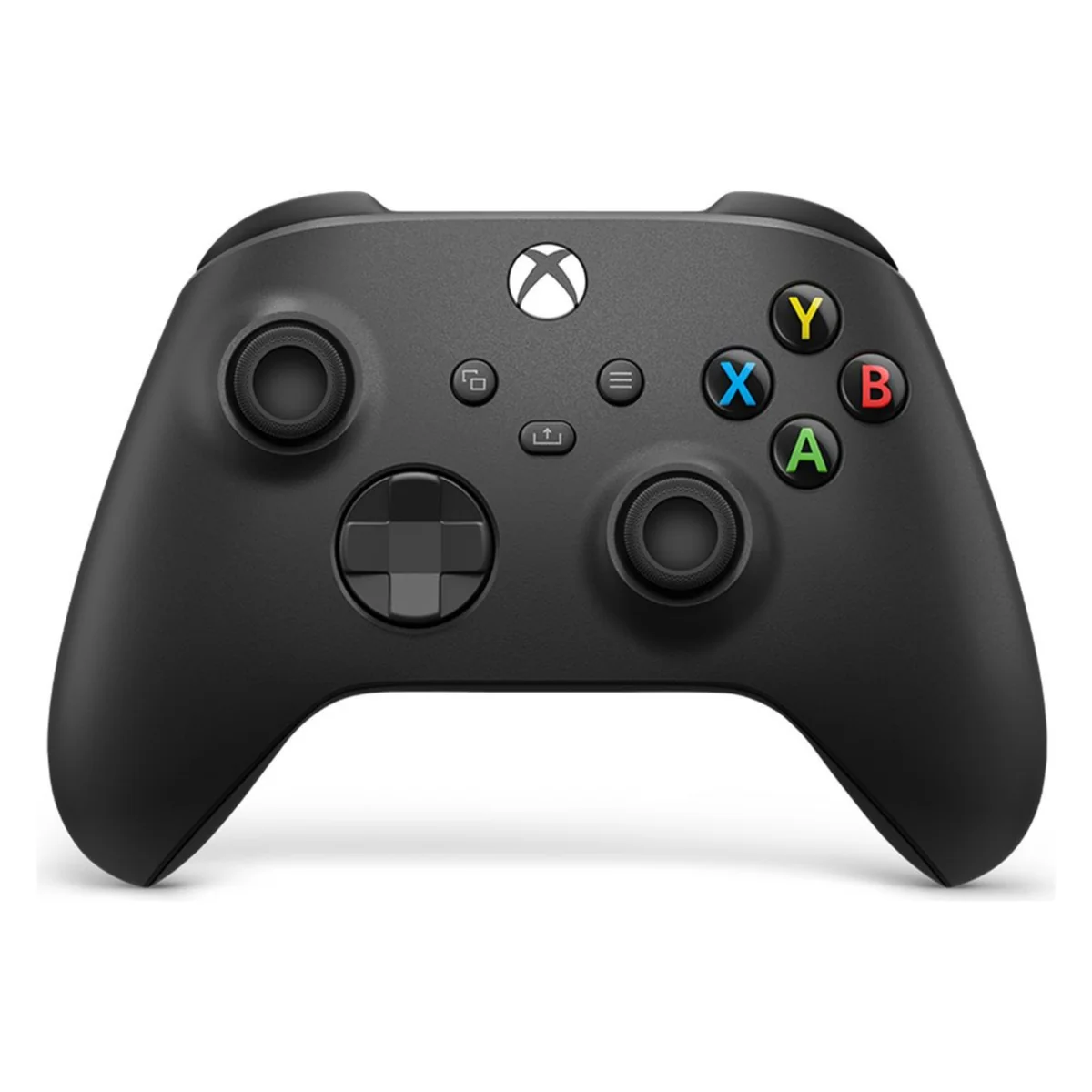
Xbox Wireless Controller
The official Xbox controller shape used as the reference for Xbox storage compartments.
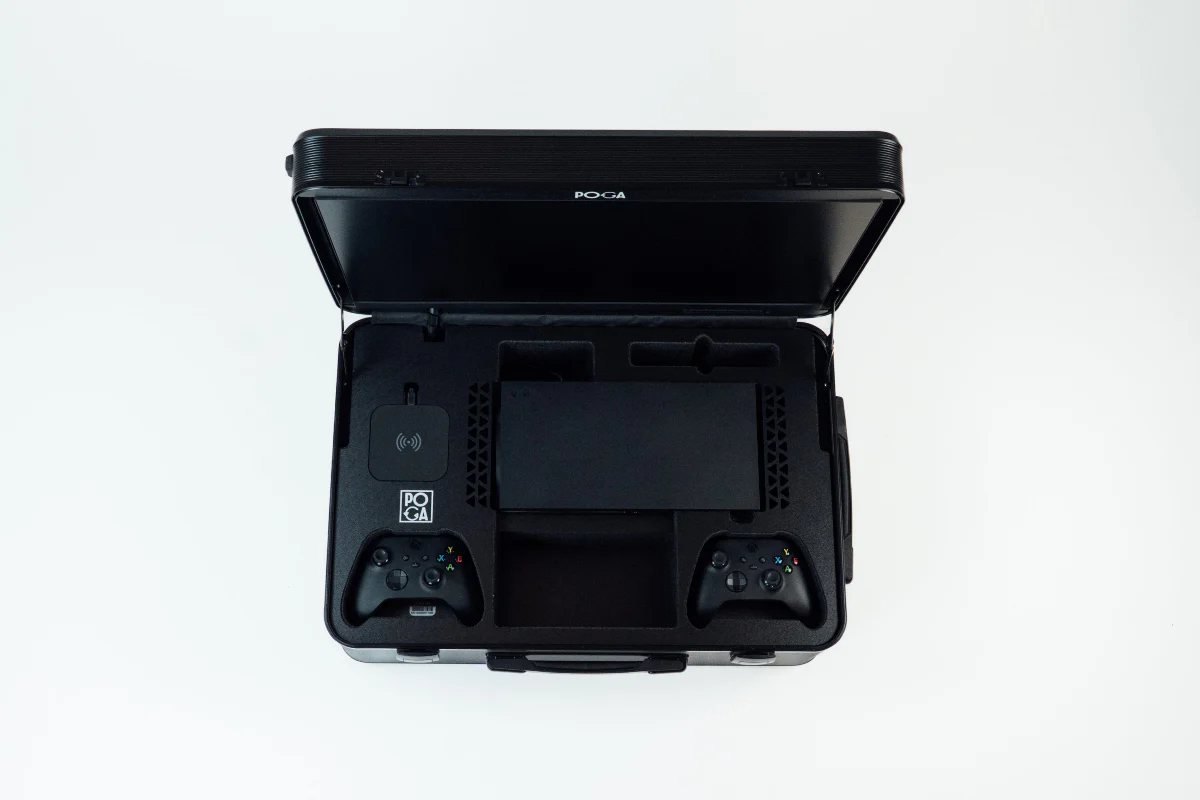
POGA Xbox Cases
Compare stations built around protected console and controller storage.
Wireless Connectivity and Latency in a Travel Context
Portable gaming often happens in environments with more wireless interference, including hotel rooms, airports, and crowded event spaces. A third-party wireless controller that performs perfectly at home may show more noticeable latency or occasional dropouts in a wireless dense travel environment.
Adaptive Features and Advanced Haptics
Modern official controllers include advanced features like adaptive triggers and detailed haptic feedback. Even licensed third-party controllers may implement a simplified version, so set realistic expectations if those features are important to you.
Warranty and Support Considerations
Official controllers typically have the console manufacturer's standard warranty and broad support infrastructure. Third-party warranty terms and support quality vary, so check the actual terms before relying on one as your primary travel gaming input device.
A Practical Checklist Before Combining Controllers With a Portable Setup
Confirm functional compatibility with your console generation. Compare physical dimensions against the station's compartment measurements. Test wireless connectivity in a busier environment if you plan to travel. Check charging port compatibility, and review warranty terms if the controller will see regular travel use.
Two-Player Portable Gaming: Does Split Screen Actually Work?
See how shared play changes controller storage and setup decisions.
How Durable Is a Portable Gaming Station, Really?
Understand the protection and durability claims that matter on the road.
Helpful answers
Frequently Asked Questions
Will any third-party controller work with my PS5 or Xbox?
Licensed third-party controllers generally offer solid functional compatibility, while unlicensed or lower cost alternatives vary more significantly in reliability and feature support. Checking specific reviews or the manufacturer's own compatibility claims before purchasing is worth doing regardless of whether you plan to use it with a portable gaming station.
Will a third-party controller fit in a gaming station's dedicated controller storage?
This depends on how closely the third-party controller's dimensions match the official controller the station's compartments were designed around. Comparing your specific controller's measurements against the station's stated interior compartment dimensions before purchasing is the most reliable way to check.
What happens if my controller doesn't fit the dedicated slot?
Most gaming stations include some general storage space beyond dedicated slots, which can often accommodate a controller that does not fit its intended compartment, though without the precisely molded fit designed around the official controller.
Do third-party controllers work with a gaming station's built in charging feature?
This depends on whether the third-party controller's charging port position and orientation match what the built in charging feature was designed around. A controller with a differently positioned port or one using disposable batteries may not benefit from this specific feature even if it physically fits the storage space.
Should I avoid third-party controllers entirely if I have a portable gaming station?
Not necessarily. If a third-party controller offers genuine benefits, extra buttons, better grip fit, or lower cost, that outweigh a less than perfect fit in dedicated storage, it remains a reasonable choice. The considerations here are about setting realistic expectations, not a reason to avoid third-party controllers altogether.
The Bottom Line
Third-party controllers generally work well with modern consoles, particularly licensed options, but physical fit within a portable gaming station's dedicated storage is a separate question. Compare actual dimensions, test wireless performance in realistic travel conditions, and weigh charging and warranty considerations against your needs. Read the full POGA guide or browse Gear & Spares for official controller options built to fit.