
Buyer's Guide · August 2026 · 10 min read
Portable Gaming Stations for College Dorms: What Actually Fits
Thinking about a portable gaming station for your dorm room? Here's what actually matters for dorm life, space, shared rooms, and moving between semesters.

Dorm rooms come with constraints most gaming setup advice does not account for: limited space, shared rooms, housing rules, and moving everything twice a year. A portable gaming station solves a different problem than a typical home setup, and this guide explains what actually matters before you buy.
The Space Problem Dorms Create
A standard dorm room rarely has room for a dedicated TV and console setup. Desk space is shared with schoolwork, closet space is limited, and every permanent fixture competes with outlets and surfaces. A portable station keeps the console, display, and storage in one case that can be closed and put away when the desk needs to become a study space.
Shared Rooms and Roommate Considerations
A built in display means you are not commandeering a shared TV. With headphones, you can play while a roommate studies or sleeps, then close the station and remove its visual and physical presence from the room.
The Twice a Year Move
Students often move out at the end of each semester. Custom fit foam that secures a console and controllers during a car ride, a dorm move, or storage between terms is directly relevant to college life and can be more useful than flight-focused portability claims.
Budget Realities for Students
A premium integrated station is a real investment. For a first time buyer, an entry-level option with genuine protection and a usable display can be a more sensible starting point than paying for flagship specifications before knowing how often college life will leave time for gaming.
Noise and Headphone Considerations
Dorm walls are often thin, so plan around headphones as the default audio path. Built in speakers can be convenient, but considerate headphone use protects roommate relationships and keeps late night sessions from disturbing neighbors.
What to Actually Look For in a Dorm Setup
Genuine portability
Check the real weight and dimensions. A case that is awkward on a stairwell or impossible to fit beside your other move-out belongings defeats part of the purpose.
Real protective foam
Frequent semester moves make impact protection especially important. Look for genuine interior protection, not only a padded exterior.
Compatibility and audio
Match the case to the console you own and choose a display that works well with headphones as your primary audio path.
Where POGA Fits a Dorm Setup
For students on a tighter budget, POGA Arc is positioned as an accessible entry point. POGA Lux and POGA Pro offer more console-specific fit and display capability for students ready to invest more.
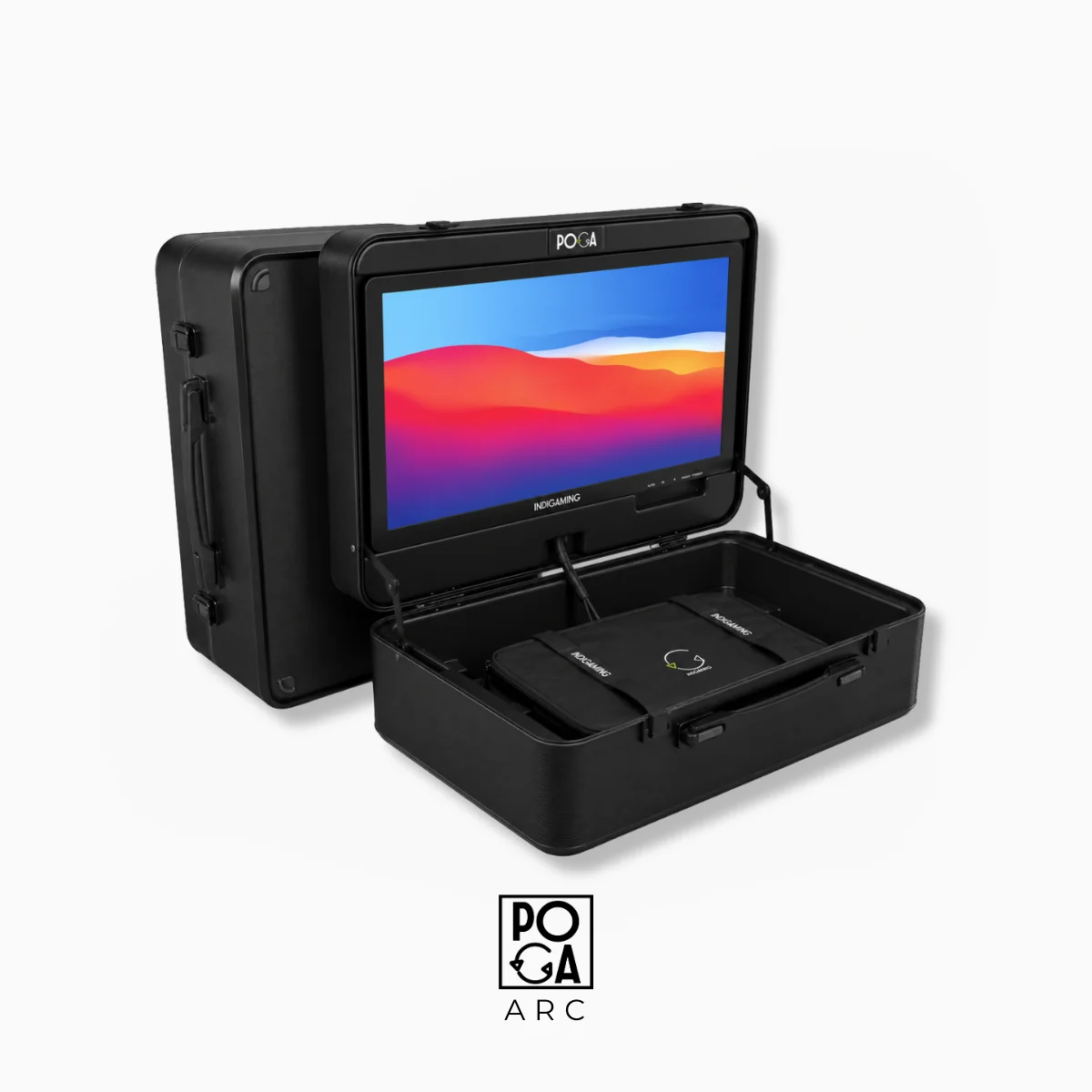
POGA Arc
An accessible starting point for compact student gaming.
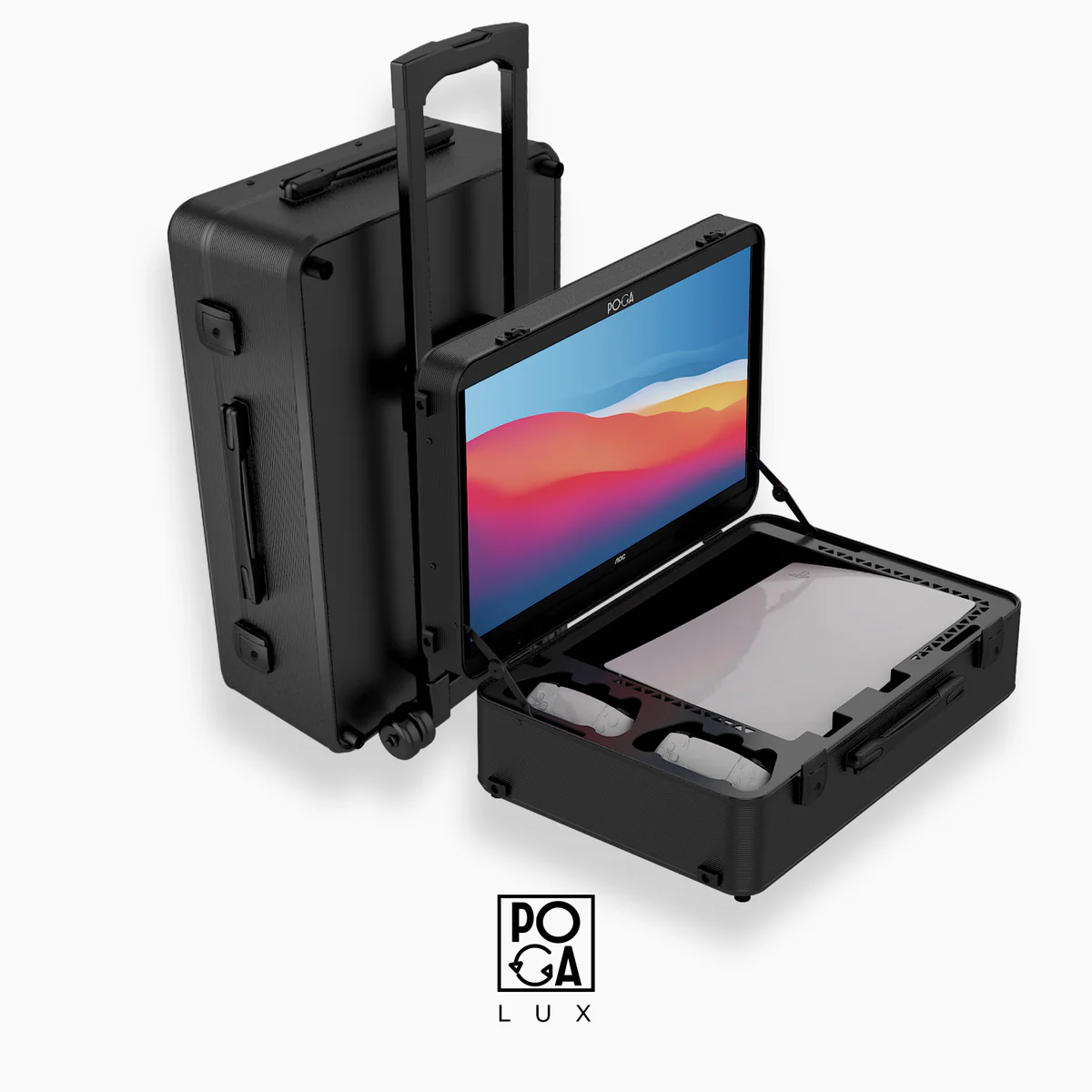
POGA Lux
A more complete PS5 setup for regular use.
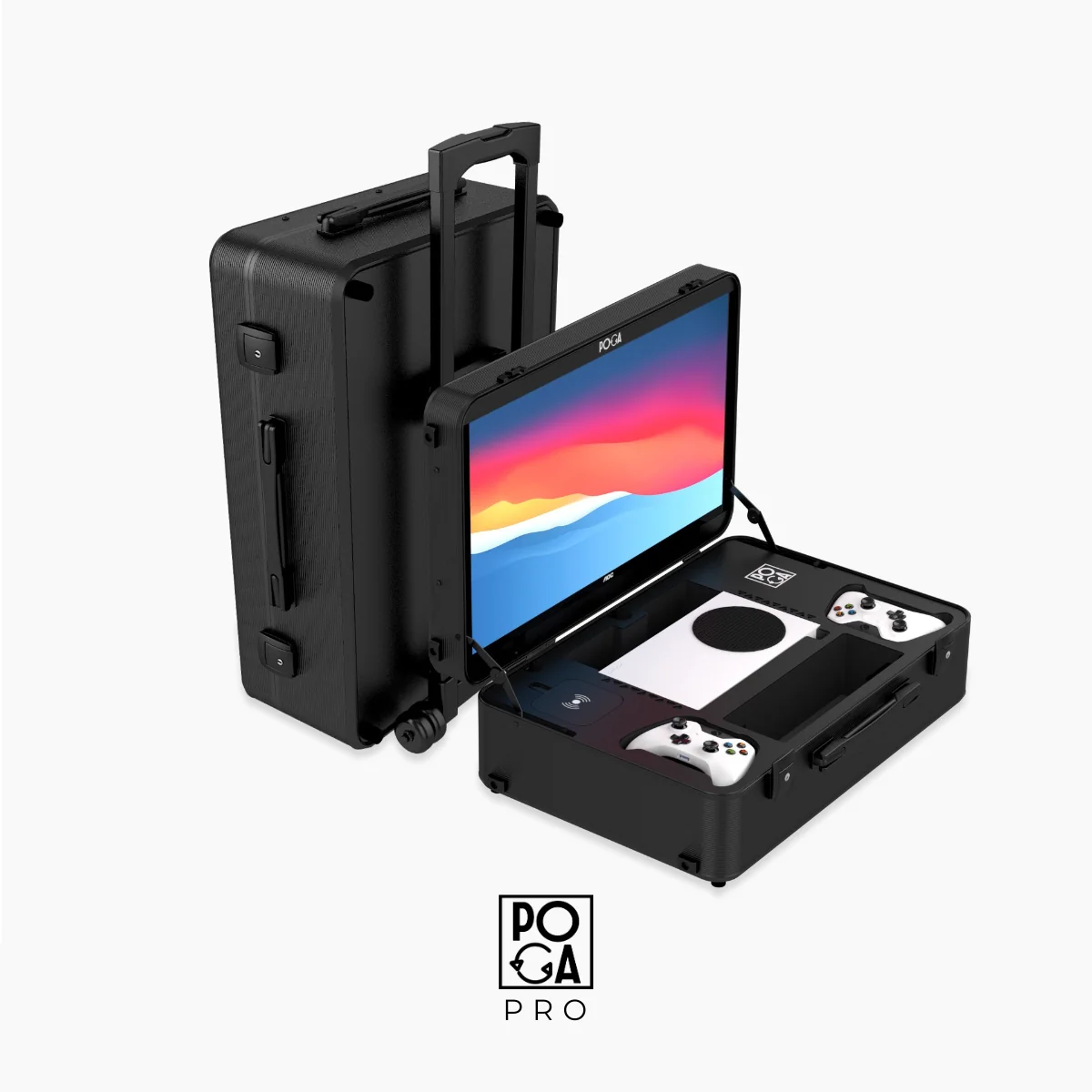
POGA Pro
A protected setup for Xbox and older console hardware.
Setting Up Efficiently in a Small Shared Space
Store the station somewhere accessible without disturbing a roommate, close it after each session, and keep cables organized near a suitable outlet. A basic surge protector can reduce friction when a laptop, phone, lamp, and mini fridge share limited power access.
A Note on Dorm Policies and Insurance
Check your school's rules for electronics, extension cords, and surge protectors before move-in. Also confirm whether a parent's homeowner policy or student policy covers several-hundred to several-thousand euro equipment against theft or accidental damage.
Helpful answers
Frequently Asked Questions
Is a portable gaming station actually worth it for a dorm room specifically?
It depends on how much you value the space saving, shared room, and easy transport benefits specifically discussed here versus the cost. For students in shared rooms who move regularly and want to avoid monopolizing a shared TV, the benefits are more directly relevant than they would be for someone with their own dedicated gaming space at home.
Can a portable gaming station fit in a typical dorm closet or under a bed?
Most portable gaming stations are designed to be reasonably compact when closed, generally comparable in size to a large suitcase or equipment case, and should fit under a standard dorm bed or in a closet, though it is worth checking specific dimensions for the model you are considering against your actual space.
Will a portable gaming station survive being moved twice a year between semesters?
A station built with genuine protective foam and a rated durability standard is specifically designed to handle this kind of repeated transit, which is arguably a more realistic and frequent stress test than the occasional flight scenario more commonly discussed in portable gaming marketing.
Is it worth buying a premium model as a first time college gamer, or should I start cheaper?
For a first time buyer uncertain of how much actual use a setup will get once coursework and college life set in, starting with a more budget conscious option and upgrading later once your actual usage pattern is clear is a reasonable, lower risk approach than committing to the most expensive option available immediately.
How do I handle gaming noise in a shared dorm room considerately?
Planning around headphone use as your default audio path, rather than relying on a case's built in speakers, is the most straightforward way to game considerately in a shared room or building with thin walls, regardless of which specific setup you choose.
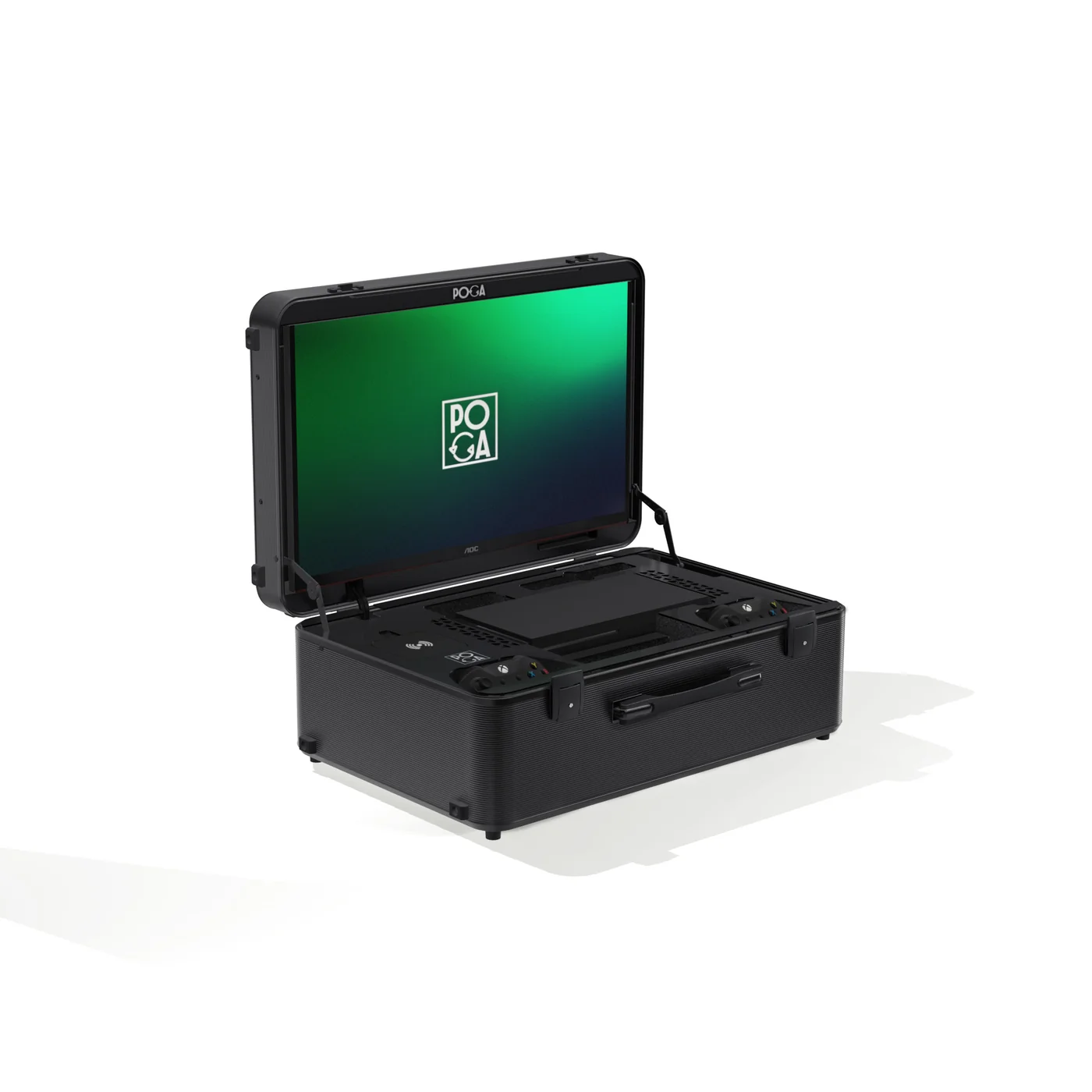
What's a Reasonable Price for a Portable Gaming Station?
Compare what different price tiers actually include.
How Durable Is a Portable Gaming Station, Really?
Understand protection, materials, and durability claims.
The Bottom Line
Dorm life creates specific constraints: limited space, shared rooms, and twice-yearly moves. Whether a station is worth it depends on how much you value those benefits against the cost. Read the full POGA guide or browse the shop to compare options.