
Travel Guide · August 2026 · 10 min read
Portable Gaming for Road Trips and Camping: What Actually Works
Bringing a portable gaming station on a road trip or camping? Here's what actually matters, car power, dust and weather, and realistic setup expectations.
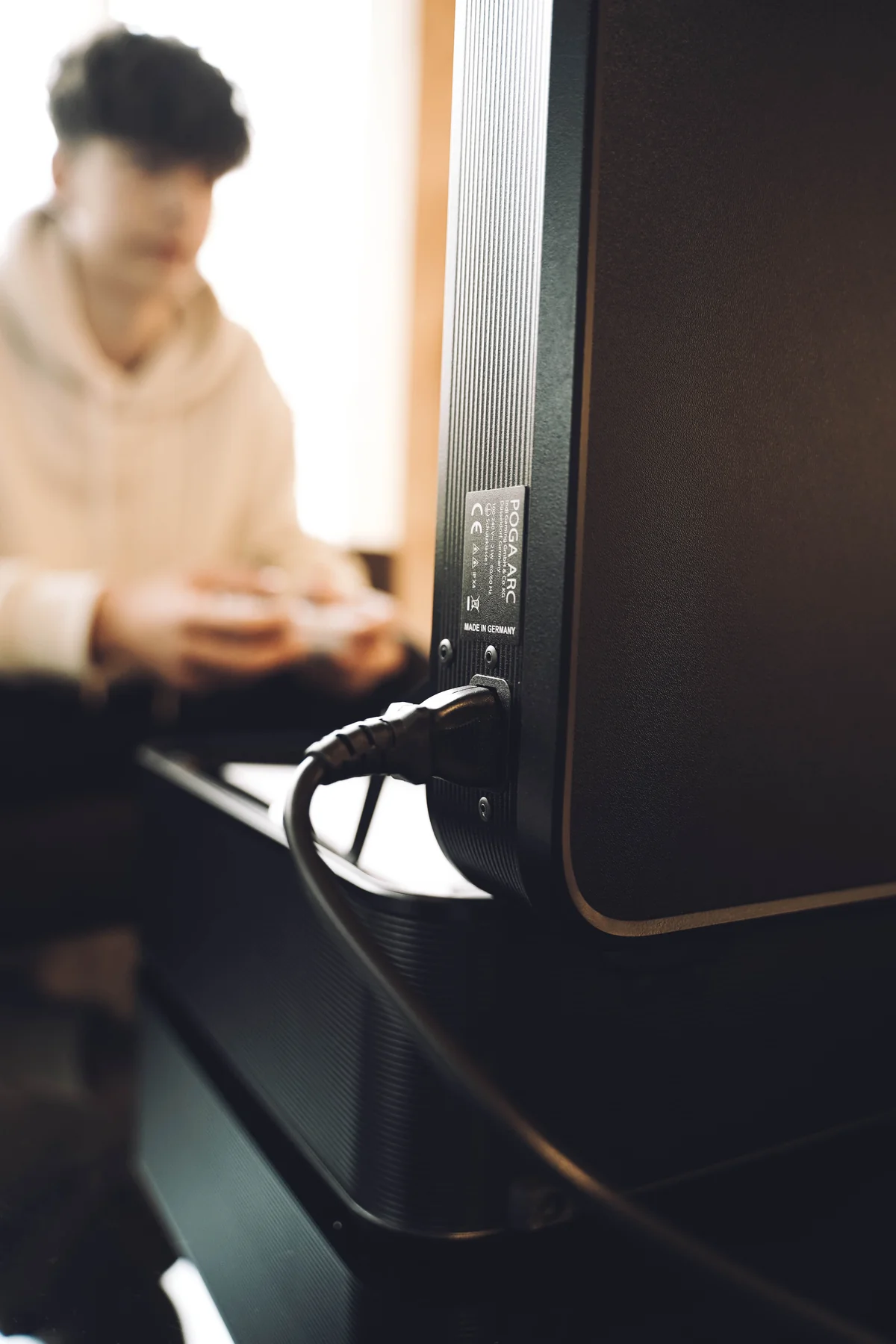
Flying with a gaming setup gets most of the attention in portable gaming guides, but road trips and camping trips create a completely different set of practical challenges. There are no TSA rules to worry about, but there is no guaranteed hotel outlet, no climate controlled cabin unless you are in an RV, and often a much longer, bumpier journey than a flight. This guide covers what actually matters for gaming on a road trip or camping trip.
Why Road Trips and Camping Are Different From Flying
A flight is a few hours of controlled transit followed by arrival somewhere with reliable power and shelter. A road trip or camping trip may involve long stretches in a vehicle, rough roads, unreliable power, and dust or weather exposure. Gear that handles airline travel well does not automatically handle a week long camping trip equally well.
Repeated vibration over hours of driving creates a different physical stress than occasional airport handling. Camping also introduces humidity, temperature swings, and dust from unpaved ground or wind.
Power Is the First Real Constraint
Unlike a hotel room, a car or campsite does not automatically offer a reliable wall outlet. Vehicles may have a 12 volt outlet, USB port, or built in AC inverter, but you need to know how much power each can supply before connecting a console and display.
A 12 volt car outlet paired with an inverter can often supply enough power for a console and display, but quality varies. An underpowered inverter can cause flickering or resets and may deliver unstable power. Choose one rated for the actual draw of your equipment.
At a campsite without vehicle access, a portable power station sized to your setup is the realistic option. Calculate the console and display wattage against the station's usable capacity rather than relying on a generic runtime estimate.
Dust, Weather, and Environmental Exposure
Camping exposes equipment to dust, wind, humidity, and temperature swings in ways a hotel room does not. A genuine dust and water resistance rating matters more for this use case than for typical indoor travel.
Set up inside a tent or vehicle instead of directly on open ground whenever possible. Keep the case closed when not in use, and avoid placing electronics where condensation, rain, or direct sun can reach them.
Vibration and Road Conditions
The sustained vibration of a long drive, especially over rough roads, makes secure foam compartments important. A loose fit allows repeated small movements that add up over hours.
Secure the case within the vehicle so it cannot slide freely in a trunk or back seat. A heavy case is a safety hazard during sudden braking if it is not restrained.
Realistic Expectations for In Transit Gaming
Gaming while a vehicle is moving can work for passengers, but screen glare, a stable playing surface, and comfort all affect the experience. The driver should never engage with a gaming setup while driving.
Many travelers get more use from the station once parked at a rest stop, campsite, or overnight stay. Planning around parked sessions usually produces a more enjoyable trip than assuming constant in motion gameplay.
Matching a Setup to Your Actual Trip
For occasional weekend camping with a car nearby, combine a protected portable gaming station with a capable car inverter.
For extended camping without reliable vehicle access, budget for a portable power station sized to your equipment's actual draw.
For long road trips with hotel stops, reliable hotel power handles overnight sessions while the road trip concerns affect daytime transit and roadside stops.
For RV travel, confirm the onboard power system comfortably covers the gaming setup alongside everything else drawing from it.
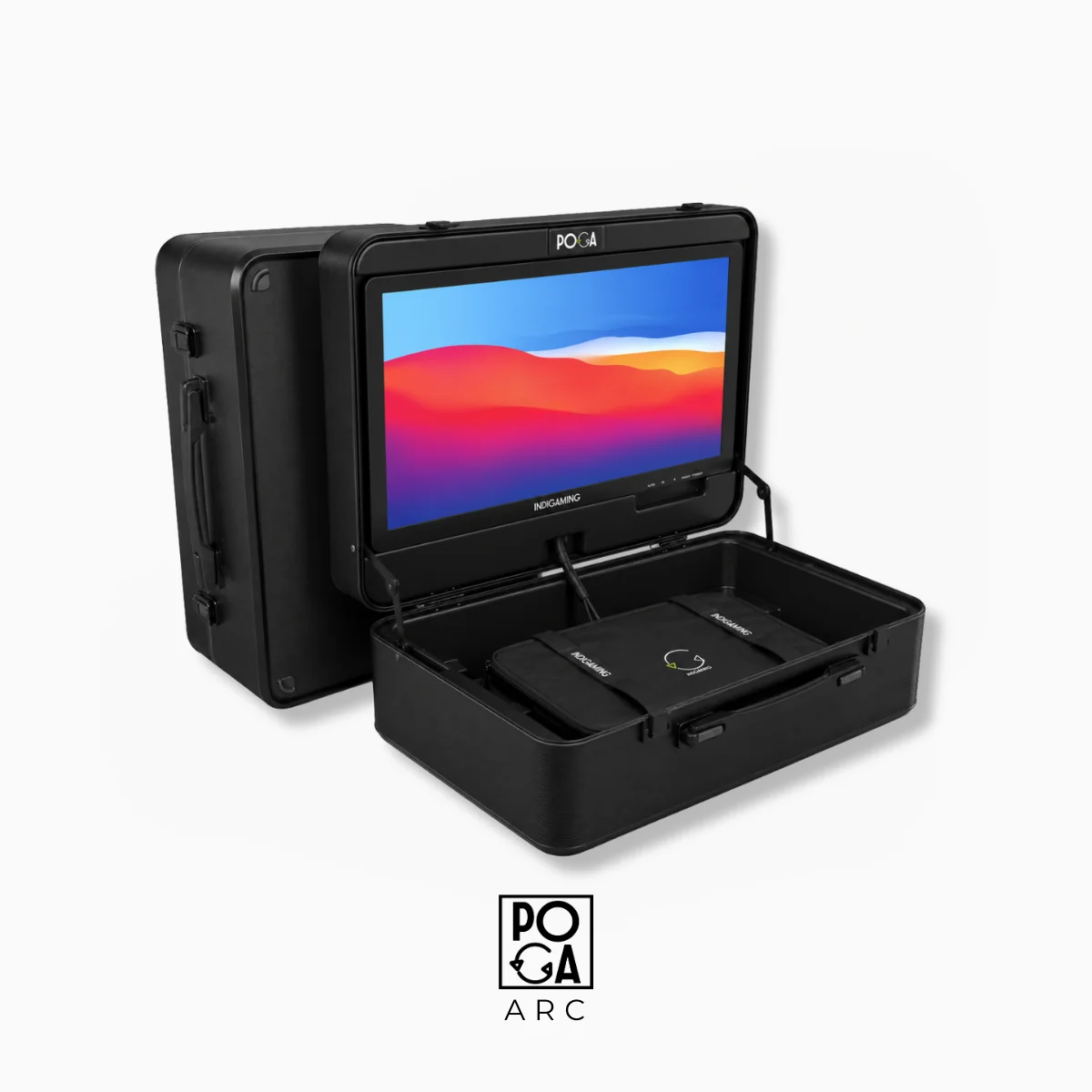
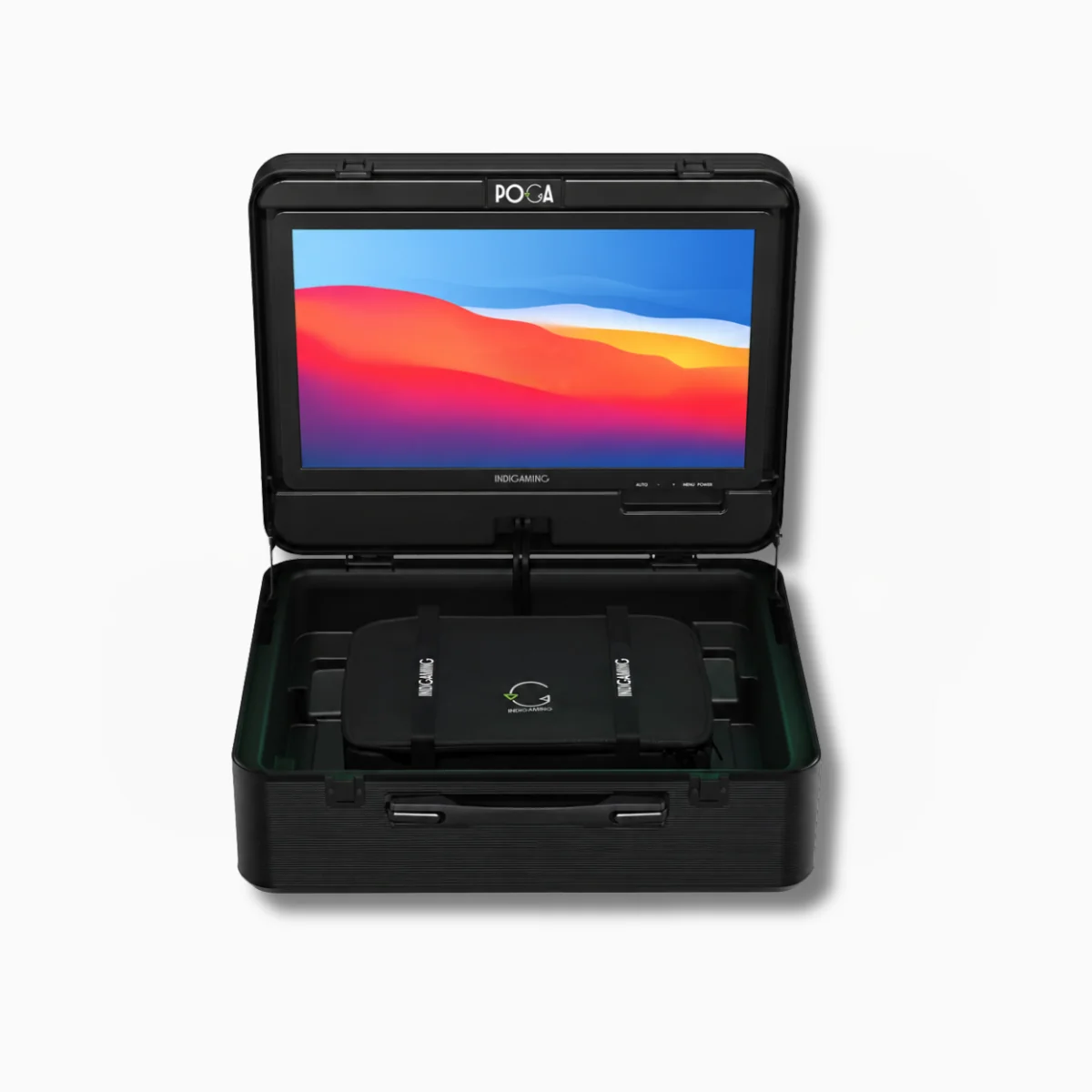
POGA Arc
A protected, console-ready format for travel and parked sessions.
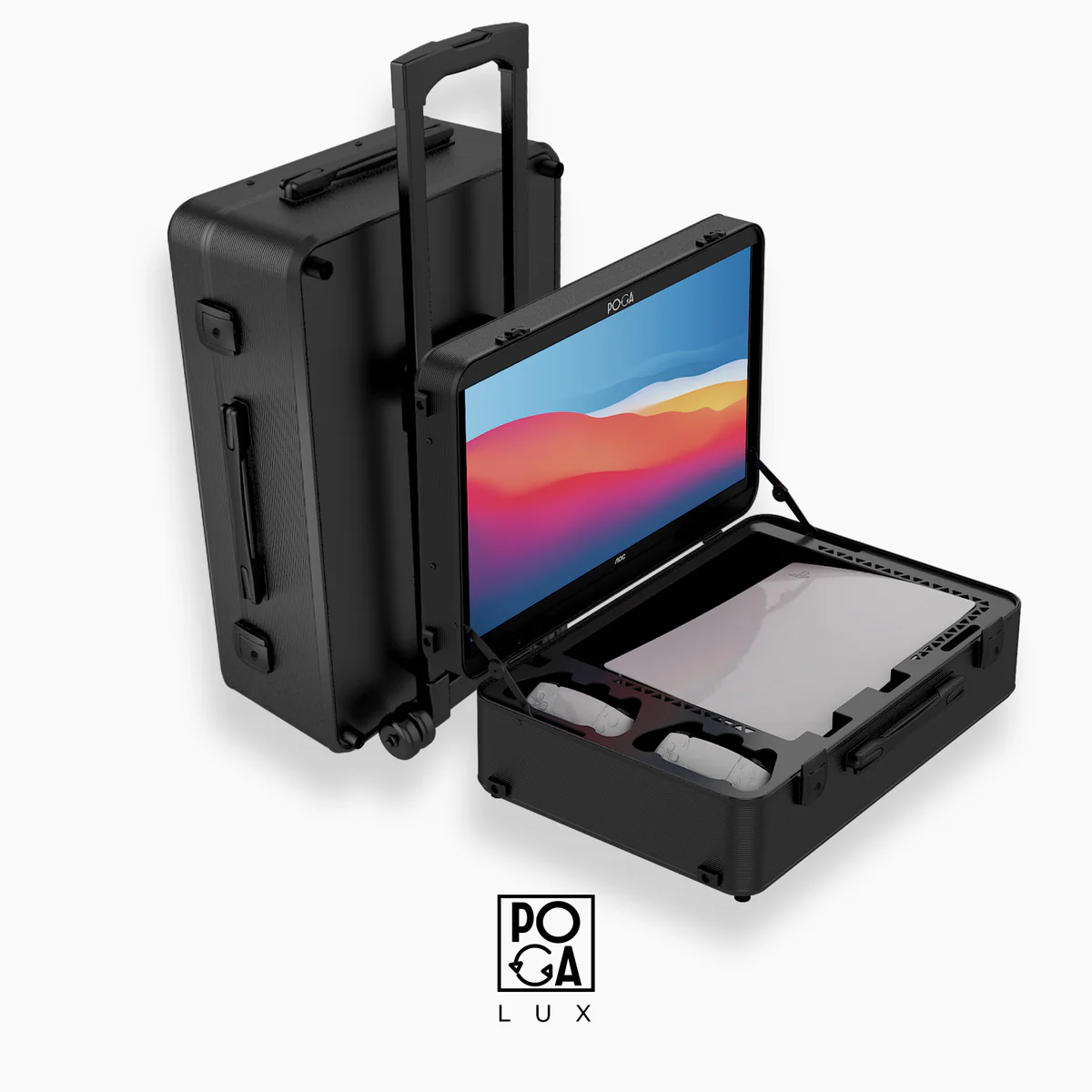
POGA Lux
A refined portable option when protection and presentation both matter.
Gear & Spares
Trolleys and accessories for multi-stop road trips.
Setting Up a Comfortable Play Space Once Parked
At a campsite, rest stop, or overnight parking spot, a picnic table, tailgate, or flat surface inside a tent creates different challenges around stability, screen angle, shade, and glare. A lightweight folding table or stabilizing surface can make a session significantly more comfortable.
Outdoor daylight is brighter than most displays are designed to compete with. Use shade or time sessions for dawn, dusk, or after dark instead of fighting direct midday sun.
Combining Gaming With the Rest of Your Trip
Gaming on a road trip or camping trip is usually a supplementary activity. Reserve it for evening downtime, passenger breaks, or rest days so it adds value without competing with the reason you traveled.
On family or group trips, balance individual gaming time with shared activities. A station that stays packed and available for the right moments fits more naturally than one that becomes the default activity whenever there is a lull.
Packing for Multi Stop Trips
Multiple stops mean repeatedly loading and unloading the station. Prioritize easy access if you plan to use it at several locations, or pack it deeper if it is only coming out at the final campsite.
Be ready to adjust your routine for each stop. A dry hotel, an exposed campsite, and a scenic roadside break all call for different expectations around power, shelter, and setup time.
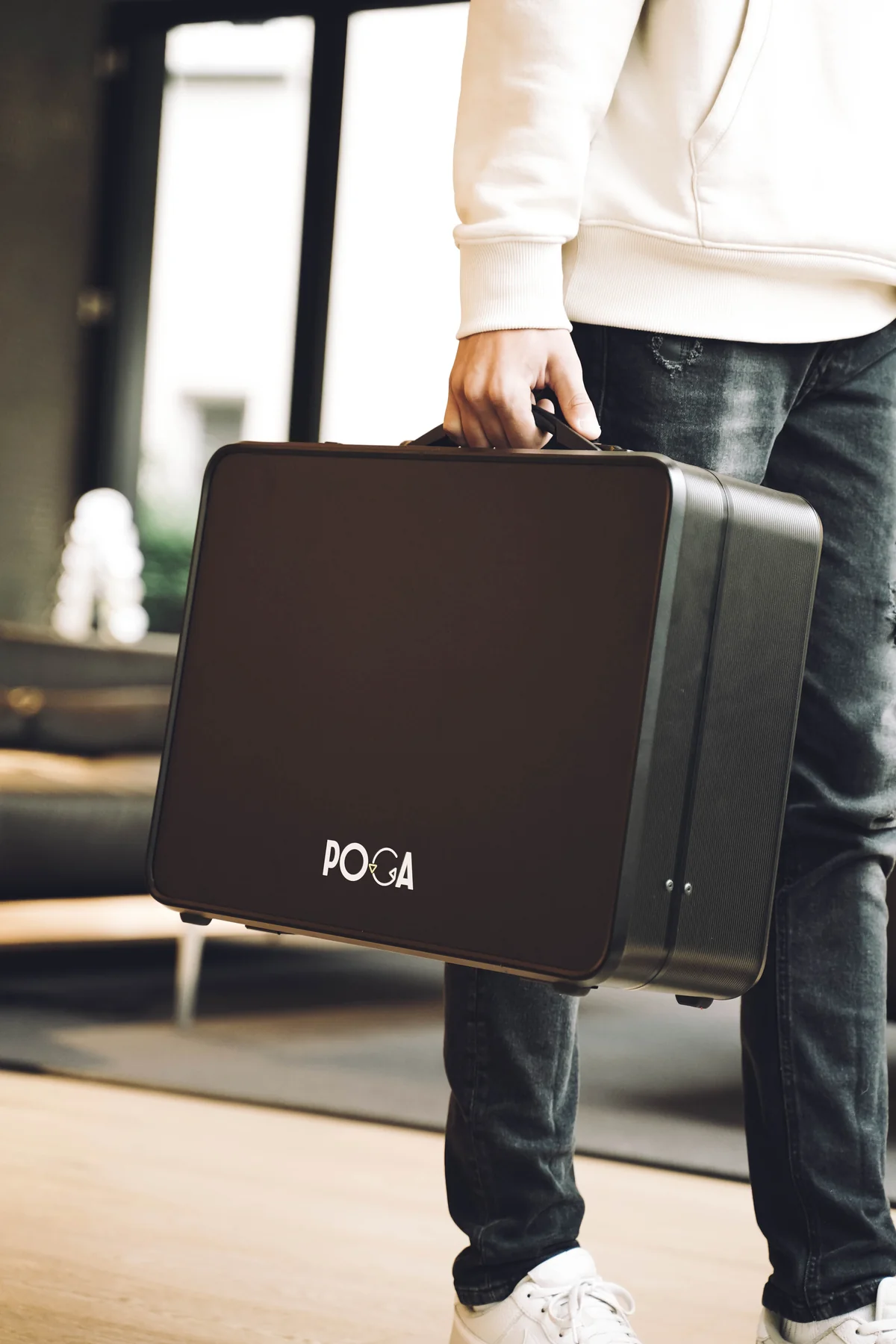
Can You Bring a Portable Gaming Station on a Plane?
Compare flight-specific rules with the realities of car and campsite travel.
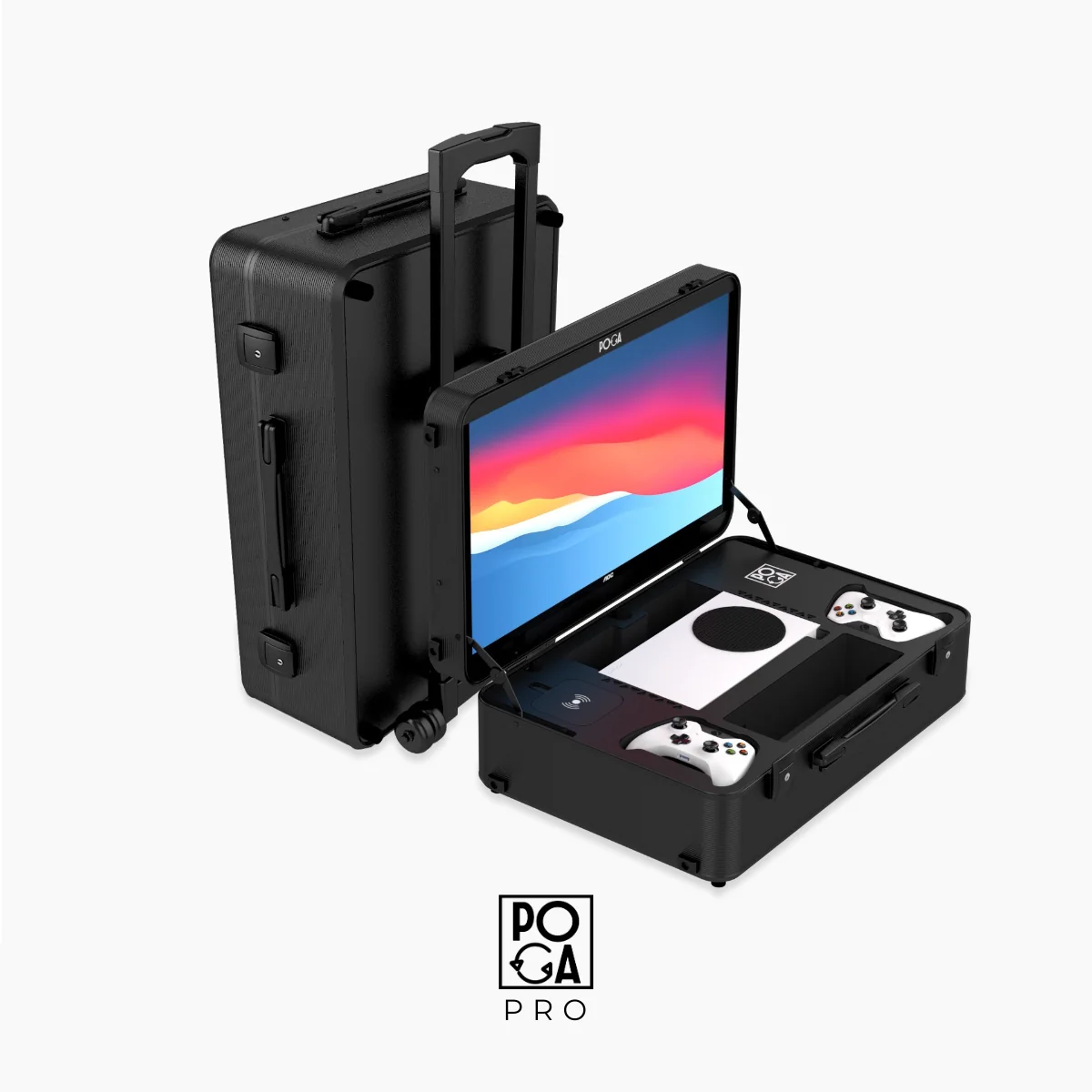
How Durable Is a Portable Gaming Station, Really?
Understand the protection and durability claims that matter on the road.
Helpful answers
Frequently Asked Questions
Can I power a gaming console directly from my car's 12 volt outlet?
Generally yes, when paired with an appropriately rated power inverter, but inverter quality matters significantly. A cheap, underpowered inverter can deliver unstable power that risks performance issues or, in worse cases, damage to sensitive electronics, so investing in a genuinely capable inverter rated for your actual equipment is worth the modest additional cost.
Is a portable gaming station's dust resistance rating actually relevant for camping?
Yes, more so than for typical hotel or indoor travel, since camping exposes gear to dust, wind, and humidity in ways that controlled indoor environments do not. A genuine, rated dust and water resistance standard matters more for this specific use case than the marketing around it might suggest for general travel.
How long can a portable power station realistically run a gaming setup while camping?
This varies significantly based on the power station's capacity and your equipment's actual power draw, and is worth calculating specifically for your gear rather than assuming a generic runtime estimate applies. Checking your console and display's actual wattage against a specific power station's rated capacity before a trip avoids an unpleasant surprise mid trip.
Is it safe to game while a car is actually in motion?
For passengers, this is generally more about comfort and practicality, screen glare, a stable surface, and general passenger comfort, than a strict safety concern, though the driver should never be engaging with a gaming setup while driving. Many road trip gamers find more realistic, comfortable use happens once parked rather than during active driving.
Does temperature affect a portable gaming station during camping trips?
Yes, both consoles and displays have operating temperature ranges, and extreme heat or cold, common in camping scenarios with significant day to night temperature swings, can affect performance or, in extreme cases, component longevity. Keeping equipment in a moderated environment, like a tent or vehicle cabin, rather than directly exposed to extreme outdoor temperature swings, is a reasonable precaution.
The Bottom Line
Road trips and camping introduce different practical challenges than air travel, especially power access, dust and weather, and sustained vibration. A protected portable gaming station paired with the right power solution can handle these scenarios well when expectations are realistic. Curious which POGA model suits your route? Check the full POGA guide or explore Gear & Spares for accessories that support setups on the road.