Buyer's Guide · August 2026 · 9 min read
Esports Gaming Setups: Why Portable Stations Matter
More competitive players are showing up to events with their own portable gaming station. Here's why, and what actually matters for tournament use.
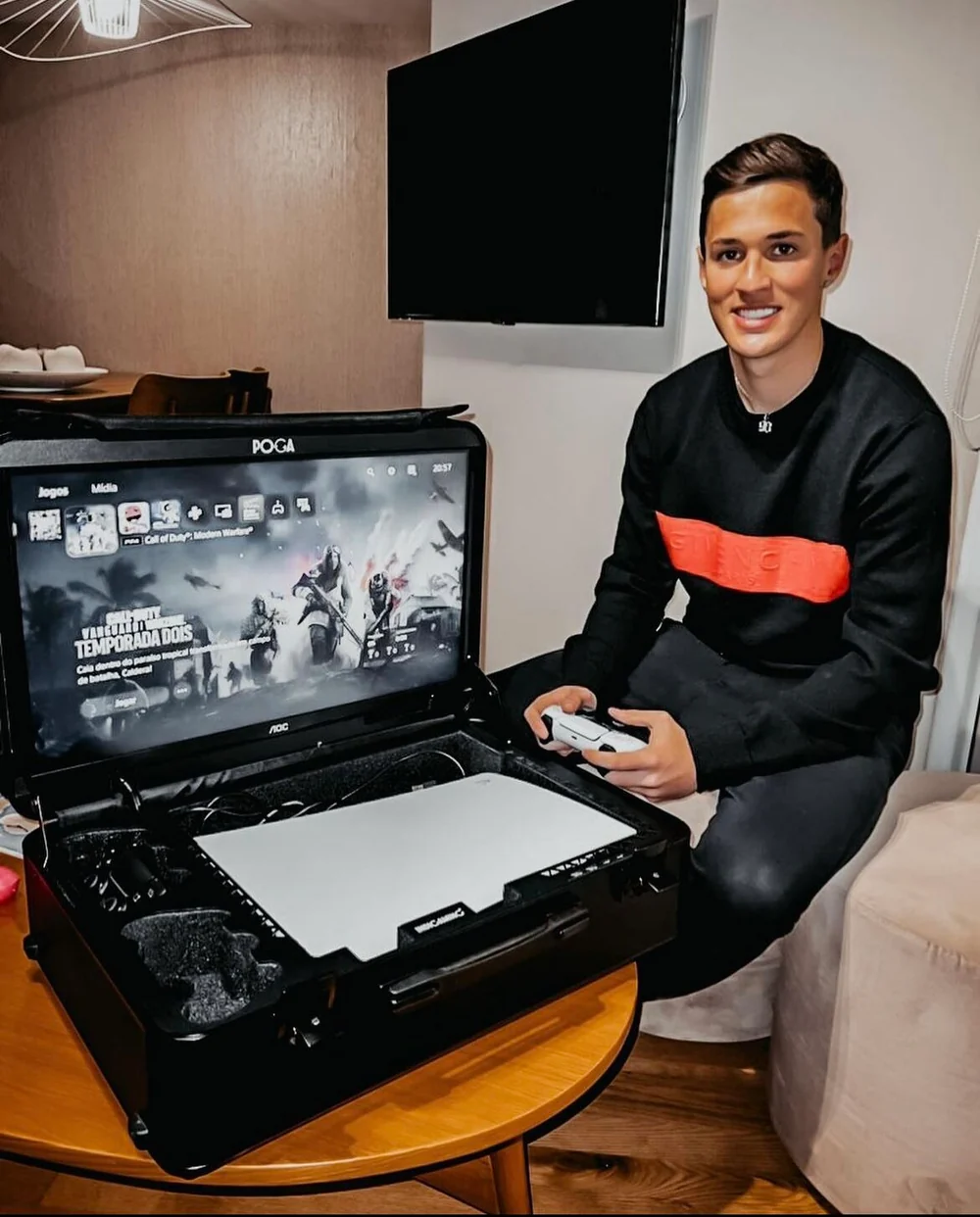
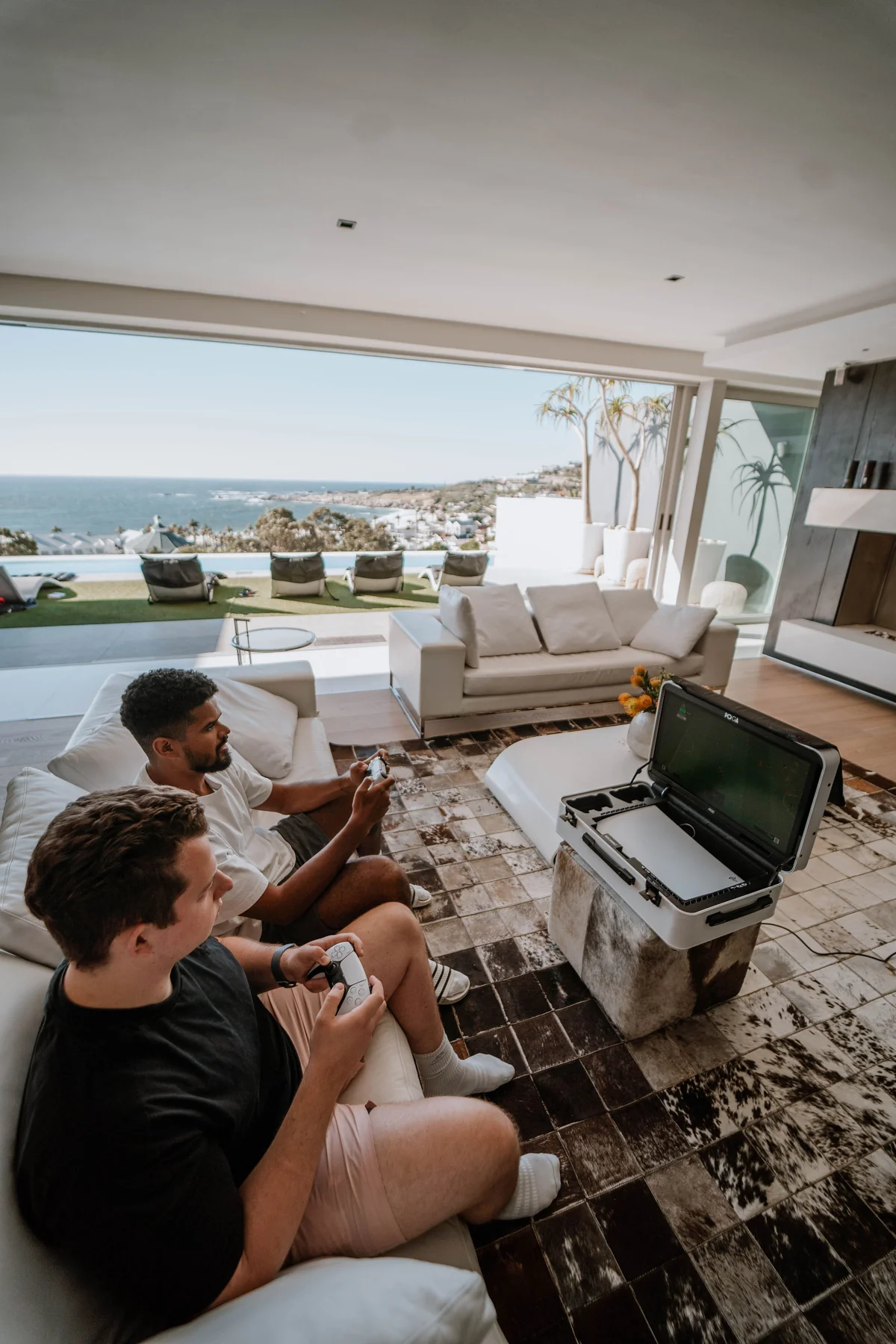
Walk through the setup area at a local tournament or LAN event today and you will notice more competitors arriving with their own complete gaming station rather than relying entirely on venue equipment. This shift reflects a practical logic specific to competitive play: consistency, familiarity, and control over your own equipment matter more in a competitive context than in casual home gaming.
Why Consistency Matters in Competition
Minor variations in display response time, input lag, or seating position can affect performance when matches are decided by fractions of a second. A display and input setup used for months of practice removes variables that venue equipment cannot guarantee.
The Practical Case for Bringing Your Own Setup
Venue equipment is not always guaranteed to match advertised specifications. Arriving with your own tested equipment removes uncertainty and lets you warm up on your own console, controller, and display before a match.
What Matters for Tournament Use
Refresh rate and response time matter considerably for competitive players. Read our refresh-rate guide for more detail. Setup speed is also important because a station that goes from packed to ready quickly preserves warm-up time. Durability under repeated teardown matters too, which is why our maintenance guide is useful for regular competitors.
Bring Your Own Equipment Policies
Check each event's equipment policy before assuming you can bring a complete setup. Smaller LAN events may welcome personal equipment, while larger sponsored competitions may require standardized hardware.
Practice on the Equipment You Will Compete On
Train consistently on the exact setup you plan to bring. Muscle memory and visual calibration do not transfer perfectly between different displays and seating arrangements.
Team Considerations
Teams bringing multiple stations should confirm power access and table space in advance. Some teams standardize on one model to reduce variation, though individual reliable setups can work independently.
Where POGA Fits Competitive Use
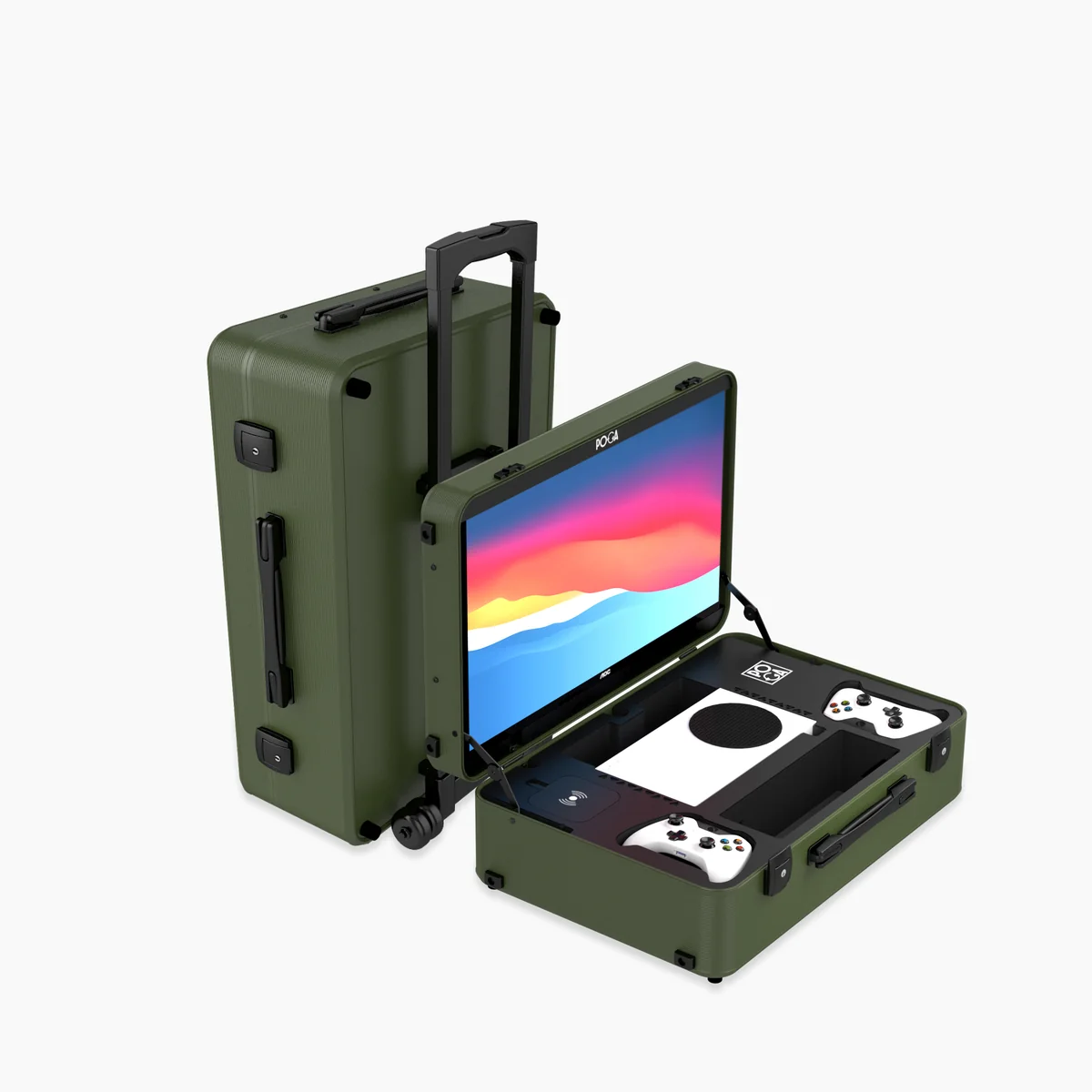
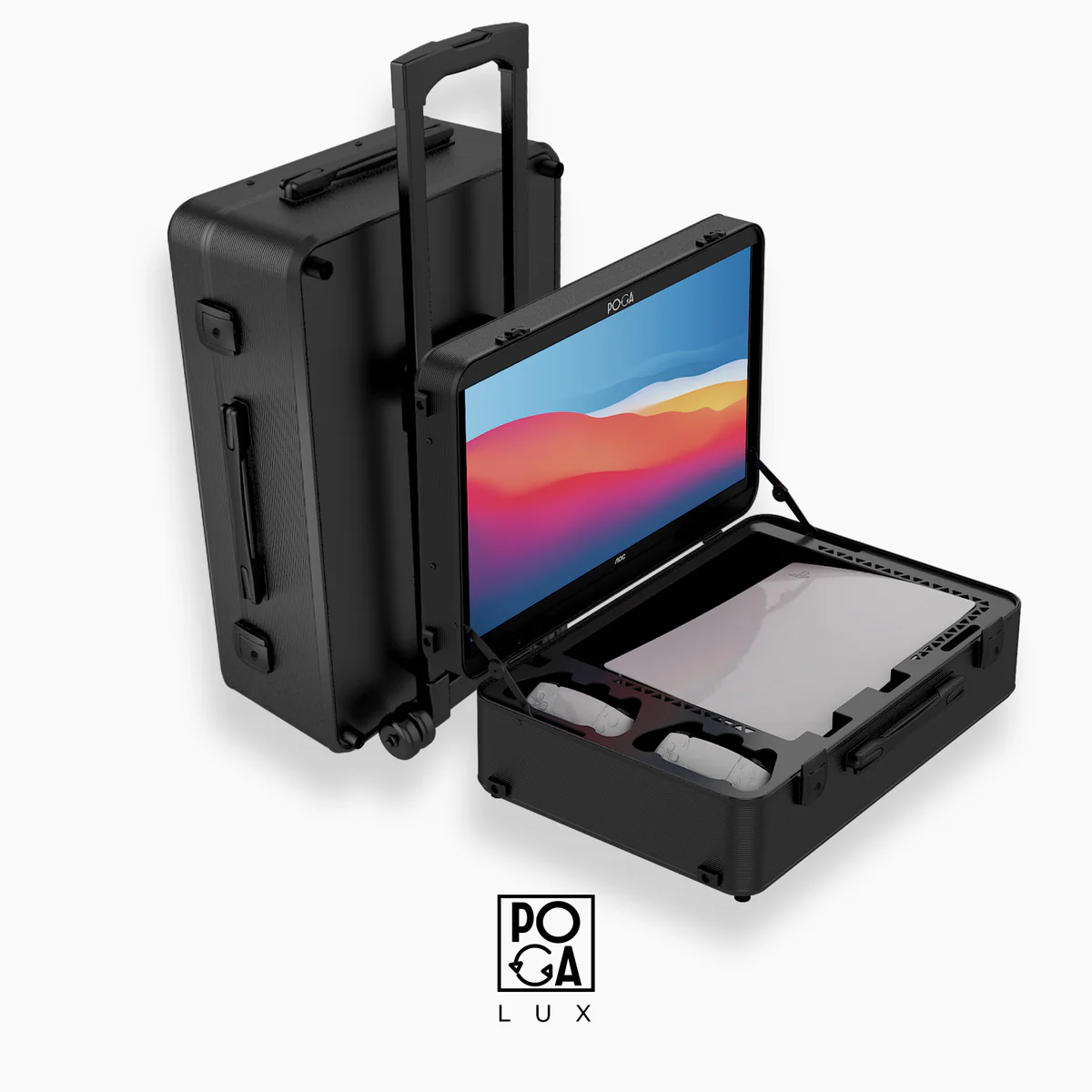
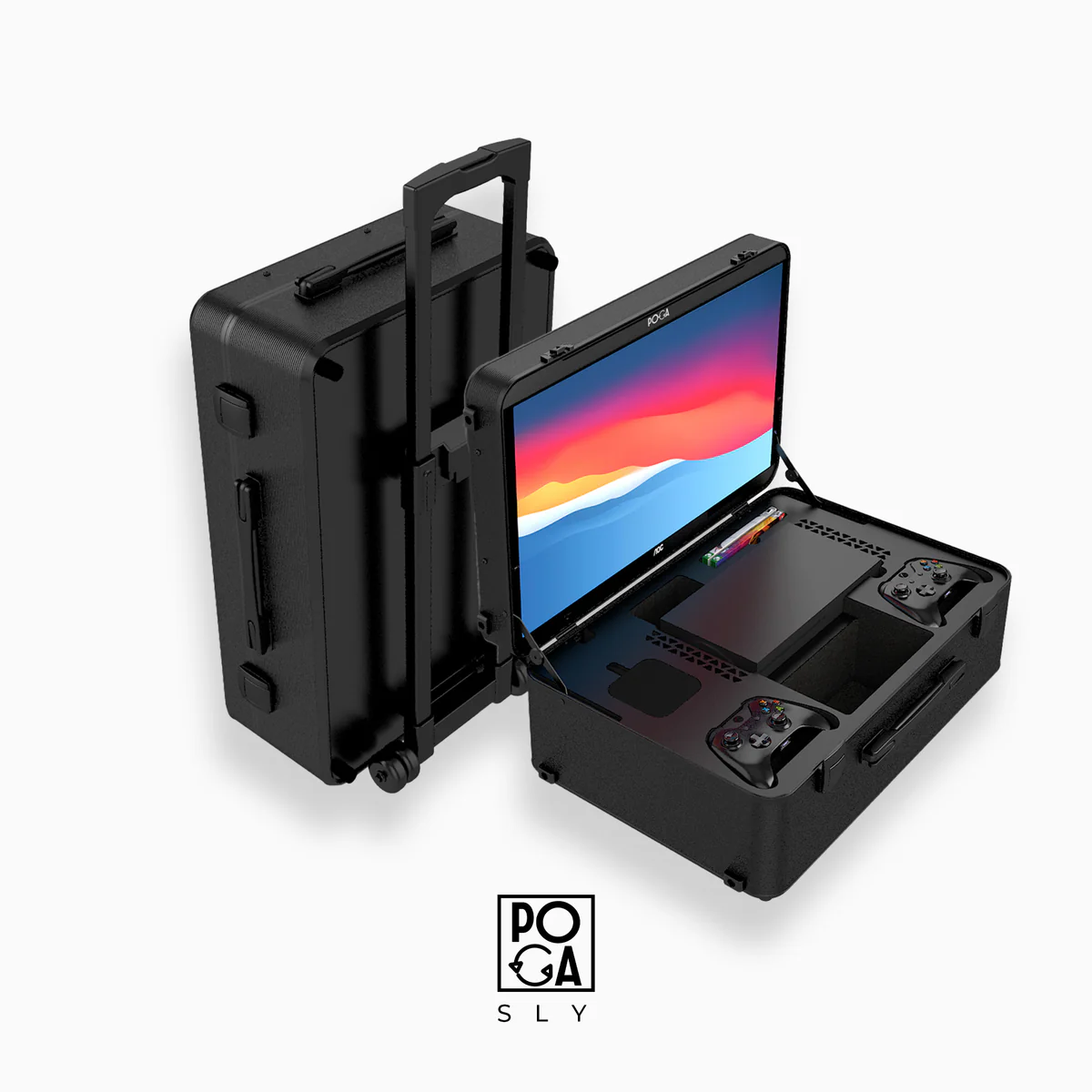
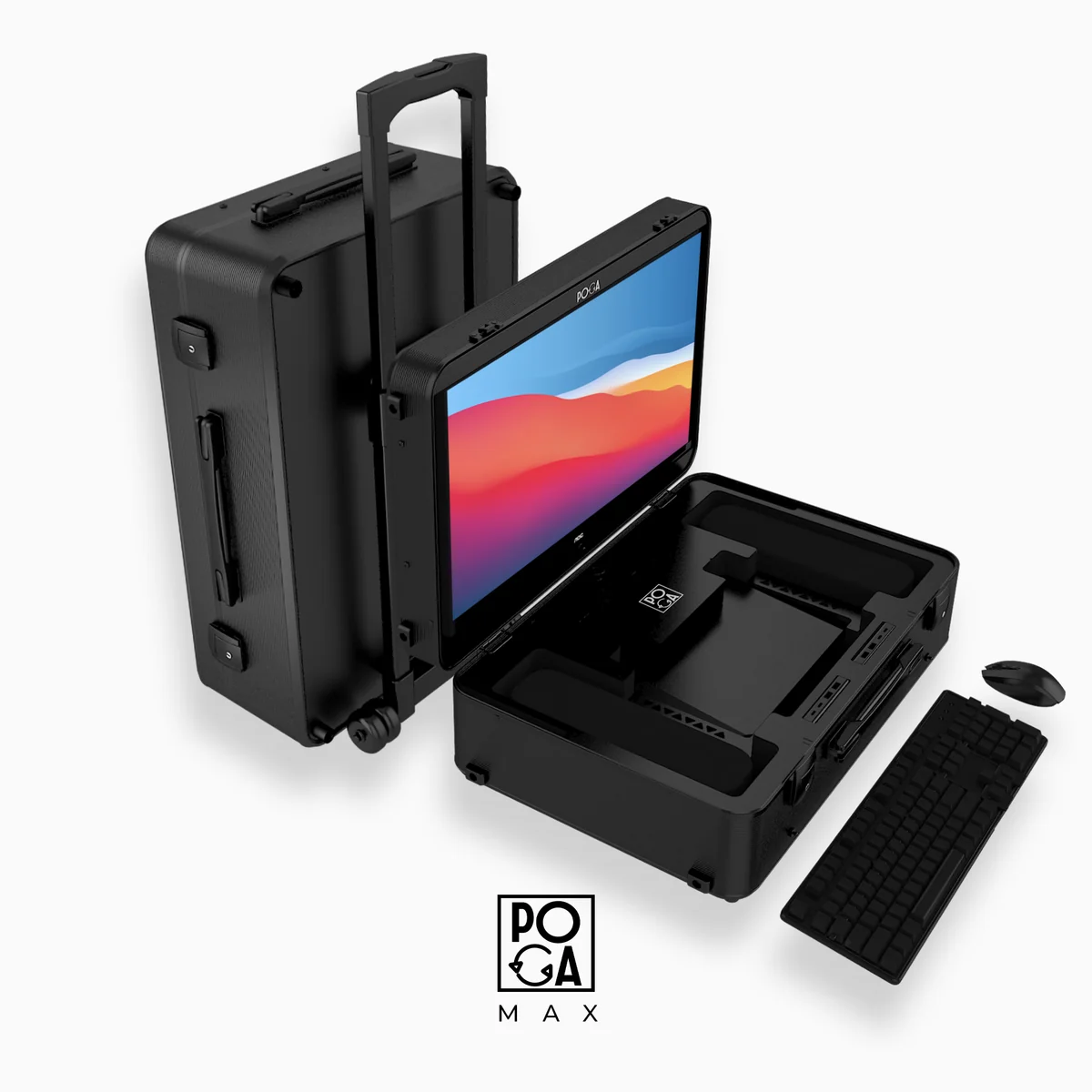
For PS5 players, POGA Lux offers a high-refresh-rate display and travel-ready build. Xbox competitors can explore POGA Sly, while PC players can consider POGA Max. Visit the full POGA guide for model comparisons and a complete overview of POGA products and gaming articles.
Frequently Asked Questions
Are competitors typically allowed to bring their own gaming station to tournaments?
This varies significantly by event and organization. Smaller local tournaments and LAN events often welcome bring your own equipment, while larger sponsored competitions may require standardized, venue provided hardware to ensure equal conditions across all competitors. Always check a specific event's rules before assuming.
Does refresh rate genuinely matter for competitive console gaming?
Yes, particularly for fast paced, competitive titles where split second visual information affects outcomes. Higher refresh rate and lower response time reduce input lag and improve motion clarity, which provides a genuine, measurable benefit in competitive contexts even when the difference feels subtle in casual play.
Should I practice on my portable gaming station if I plan to compete on it?
Yes, ideally as your primary practice setup rather than an occasional alternative. Muscle memory and visual calibration developed on a different setup do not transfer perfectly, and training consistently on your actual competition equipment preserves the consistency advantage that motivates bringing your own gear in the first place.
Is setup speed actually important for tournament use, or just a general convenience?
It matters more specifically in tournament contexts than in general travel use, since competitive event schedules often run on tight timeframes between matches, and a setup that takes longer to configure eats into genuinely valuable warm up time before competition.
Do teams typically standardize on the same portable gaming station across all members?
Some do, specifically to reduce variation in the competitive experience between teammates, though this is not universal or strictly necessary if individual players already have their own reliable, well practiced setups independently.
The Bottom Line
Portable gaming stations address genuine tournament needs: consistency, reliable warm-up conditions, and fast setup between matches. Confirm event policies, prioritize the specifications your games require, and practice on the equipment you will actually use. For model comparisons and setup guidance, visit the complete POGA guide.