
Tech & Performance · August 2026 · 10 min read
4K Portable Gaming: Is It Worth the Upgrade?
Thinking about a 4K portable gaming monitor or station? Here's what 4K actually changes for portable setups, and when the upgrade over 1080p is worth it.

A 4K portable gaming monitor sounds like an obvious upgrade on paper. More pixels, sharper image, better everything, right? Not always. 4K on a small portable display behaves differently than 4K on a living room television, and the upgrade comes with real tradeoffs in price, performance, and practical image quality.
What 4K Actually Means
4K resolution refers to a display with roughly 3840 by 2160 pixels, four times the pixel count of standard 1080p Full HD. On a portable display, pixel density and close viewing distances can make text and fine detail noticeably sharper.
Why 4K Matters More on Smaller, Closer Displays
Portable gaming setups are usually used closer to the screen than a living room television. That puts your eyes in a better position to resolve the extra detail 4K provides. The technical benefit is real, but whether you personally value it depends on the games you play.
The Performance Tradeoff
Rendering at 4K requires roughly four times the pixel processing work of 1080p. Current consoles often offer a choice between resolution focused modes and performance modes that prioritize higher frame rates. A 4K panel cannot make a game render in native 4K if the console or game is outputting a lower resolution.
4K and Refresh Rate: A Real Tension
Higher resolution and high refresh rate are both demanding display specifications. If competitive gaming is your priority, a lower resolution display with a higher refresh rate may serve you better than a 4K panel with a slower ceiling. For a deeper comparison, read our 144Hz vs 180Hz refresh rate guide.
Color Accuracy and HDR
Premium 4K panels often ship with better color accuracy, wider gamut coverage, and HDR support. Those improvements are not technically required by 4K, but they often come with the premium positioning and may matter more than resolution alone.
Who Benefits From 4K?
Single player, narrative, exploration, creative, and professional users are well positioned to benefit from 4K. Competitive players and budget conscious buyers may get more practical value from a high refresh rate 1080p or 1440p display.
4K in POGA's Lineup
POGA Yez is the model built around a 4K display, with a 27 inch panel and premium positioning for PS5 owners. By comparison, POGA Lux and POGA Pro prioritize higher refresh rates at 1080p. Neither approach is automatically better. They are designed for different priorities.
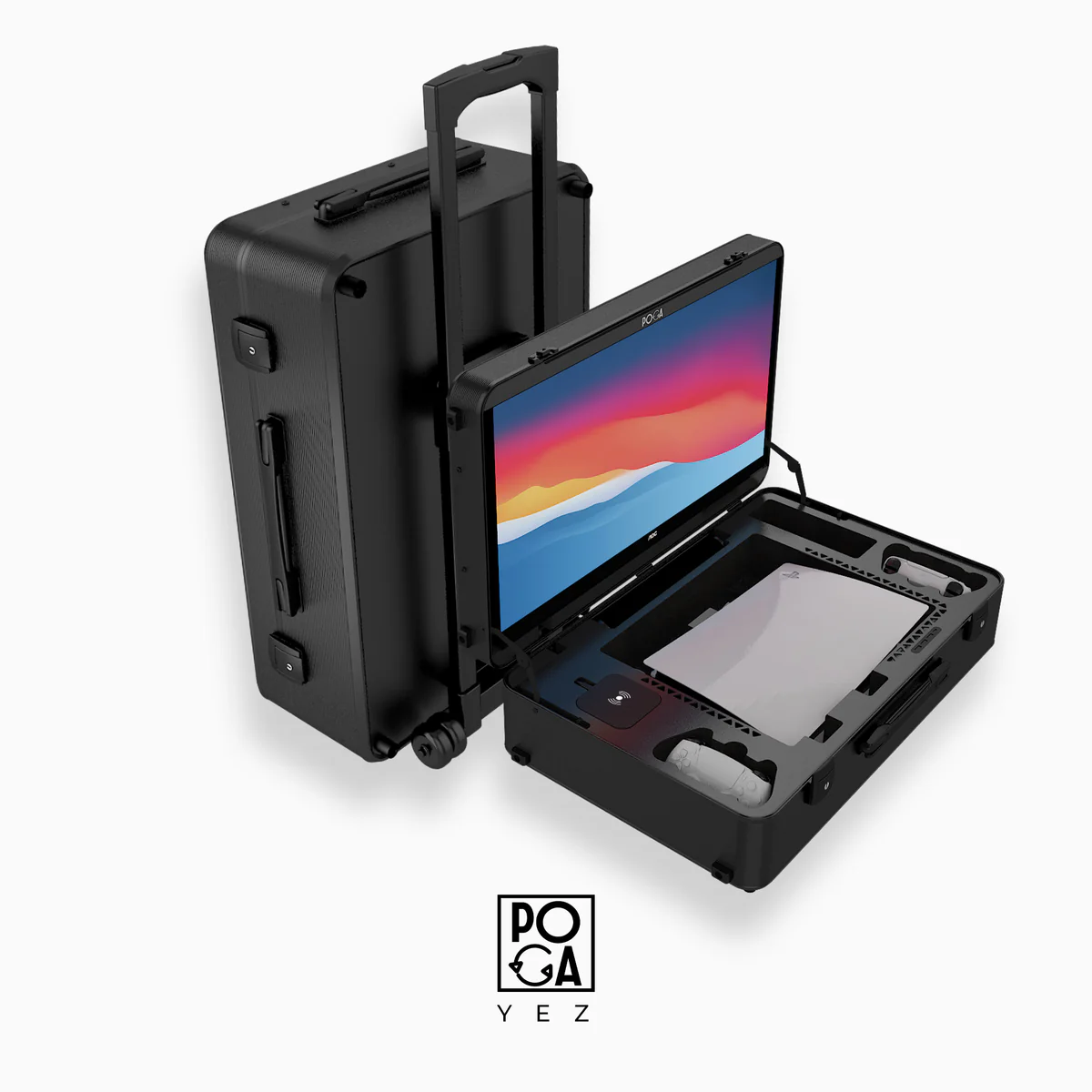
Product · 4K
POGA Yez
The flagship choice for players who prioritize 4K detail and premium display quality.
Explore more →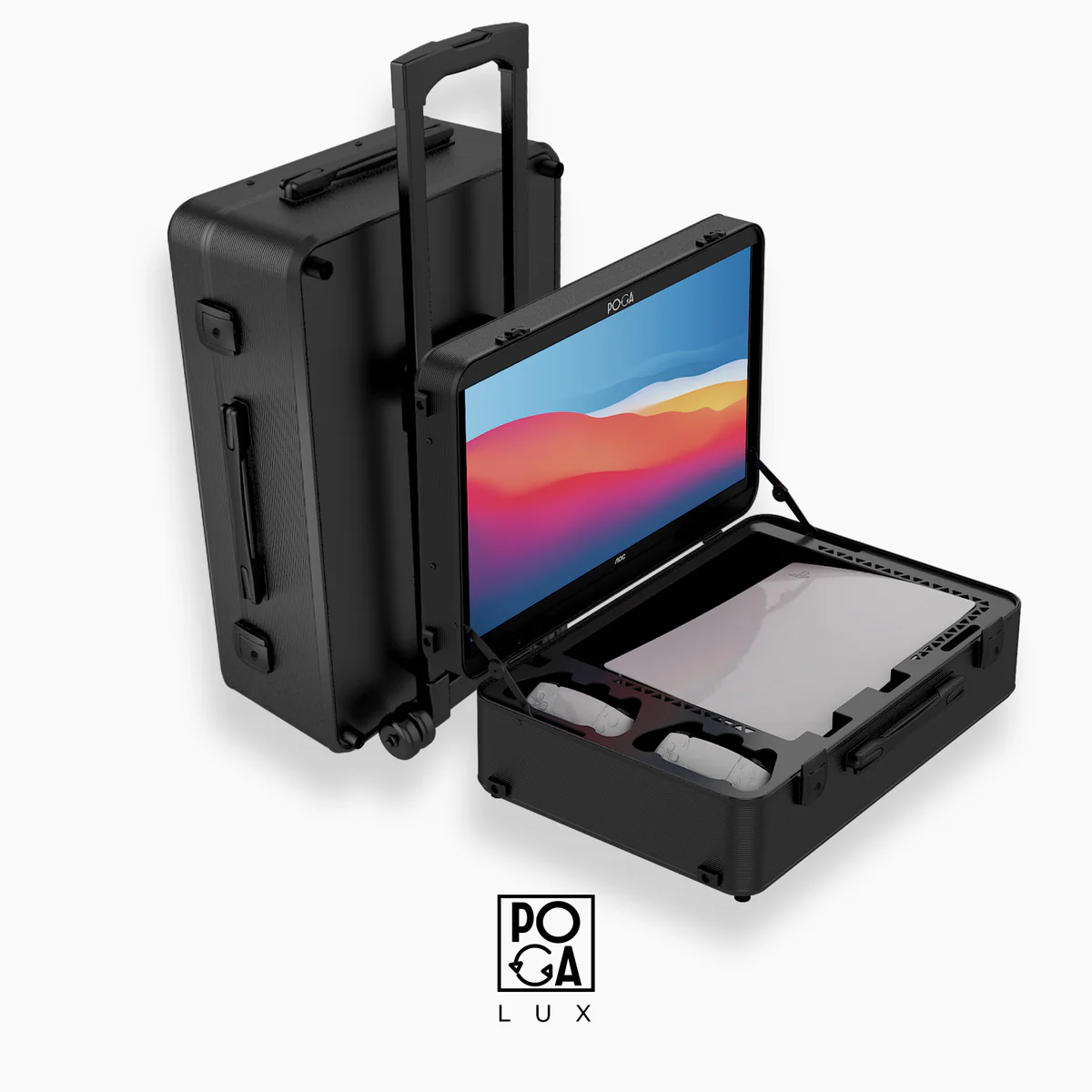
Product · 180Hz
POGA Lux
A higher refresh rate option for smoother PlayStation gameplay.
Explore more →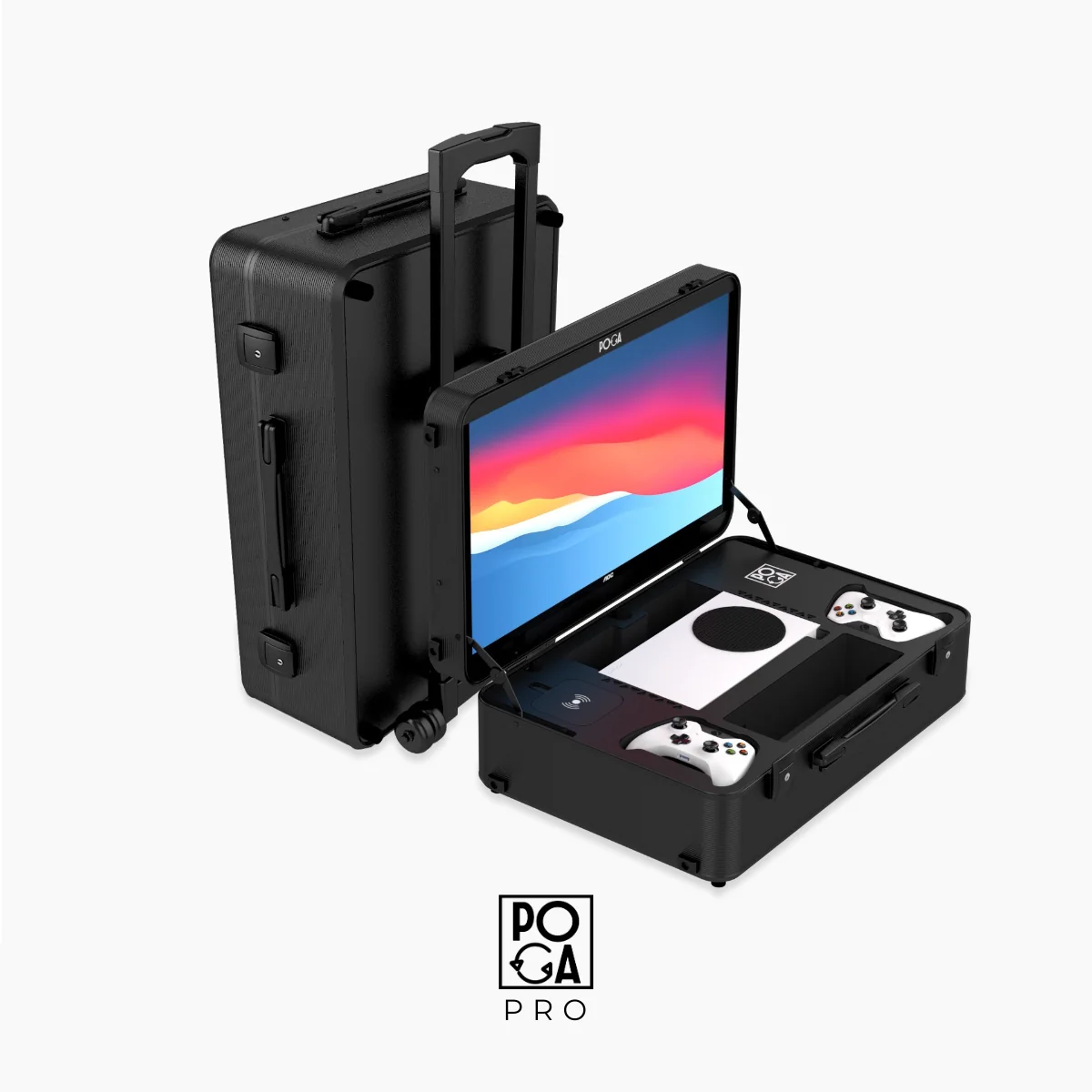
Product · 180Hz
POGA Pro
An Xbox focused station built around responsive high refresh rate gaming.
Explore more →Questions to Ask Before Paying for 4K
Consider what you play most, what device is driving the display, whether you are also getting better color and HDR, and how close you will sit to the screen. A 4K label is only one part of the buying decision.
A Note on Battery and Power Draw
Driving a 4K panel can draw more power on a laptop or handheld PC, especially when the device is rendering games at native 4K. If you plan to game away from outlets, weigh battery life alongside resolution.
Related article
144Hz vs 180Hz
Understand when refresh rate matters more than resolution.
Explore more →Related article
USB-C Portable Gaming
Learn what USB-C actually does before buying based on the label alone.
Explore more →Helpful answers
Frequently Asked Questions
Does 4K make a bigger visual difference on a portable display than on a TV?
In terms of raw pixel density and typical close viewing distance, yes, a smaller 4K panel viewed up close can show more perceptible detail improvement than the same resolution jump on a much larger television viewed from further away. Whether that translates into a difference you personally value depends on the games you play and how closely you look at fine detail during gameplay.
Can my console actually output true native 4K?
Current generation consoles can output native 4K in resolution focused modes for many titles, but competitive and fast paced games are often played in performance modes that prioritize frame rate over full 4K resolution. Check the specific game's available display modes rather than assuming 4K output at all times.
Is 4K worth it if I mostly play competitive multiplayer games?
Probably not as your top priority. A high refresh rate display is generally more valuable for competitive play than 4K resolution, since motion clarity and response time affect performance more directly than additional visual detail in fast paced games.
Does a 4K display cost significantly more than a 1080p equivalent?
Yes, generally. Higher resolution panels, along with the better color accuracy and HDR support often bundled with them, typically command a meaningful price premium over comparable 1080p options within the same product category.
Will upscaled content look bad on a 4K portable display?
Modern upscaling technology has improved significantly, and most lower resolution content will look reasonably good upscaled to a 4K panel, though it will not match the detail of true native 4K source material. This is a normal and expected part of using any 4K display with mixed source content.
The Bottom Line
4K on a portable gaming display is a technically meaningful upgrade for visual detail, narrative games, and creative work, but it is not the universal priority. If high frame rates and competitive performance matter more, choose a high refresh rate display at a lower resolution.
For a complete model by model breakdown, visit the full POGA guide, or head to the shop to compare specifications directly.